

When it comes to acoustic treatment, two popular options often surface in the market: fabric wrapped acoustic panels and acoustic foams. As a supplier of Premium Fabric-Wrapped Acoustic Panels, I've had the opportunity to closely observe and understand the characteristics of both products. In this blog, I'll provide a comprehensive comparison between these two acoustic solutions, highlighting their advantages, disadvantages, and ideal use cases.
Sound Absorption Performance
One of the primary considerations when choosing an acoustic solution is its sound absorption performance. Both fabric wrapped acoustic panels and acoustic foams are designed to absorb sound waves, reducing echo and reverberation in a space.
Fabric wrapped acoustic panels typically use a core material, such as fiberglass or polyester, which is highly effective at absorbing sound. The fabric covering not only enhances the aesthetic appeal of the panels but also helps to diffuse sound waves, improving the overall acoustic quality of the space. These panels can achieve high noise reduction coefficients (NRC) and sound absorption coefficients (SAC), making them suitable for a wide range of applications, including recording studios, theaters, and conference rooms.
On the other hand, acoustic foams are known for their excellent sound absorption properties, especially at high frequencies. They are often made of open-cell polyurethane foam, which allows sound waves to penetrate and be absorbed within the foam structure. However, acoustic foams may not be as effective at absorbing low-frequency sounds compared to fabric wrapped acoustic panels.
Aesthetic Appeal
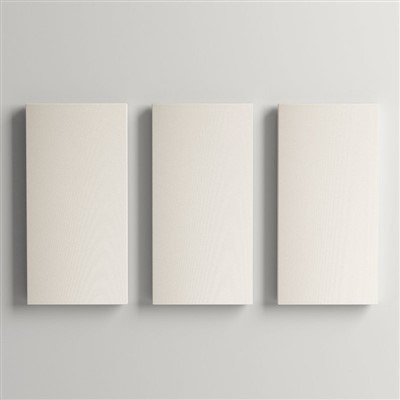
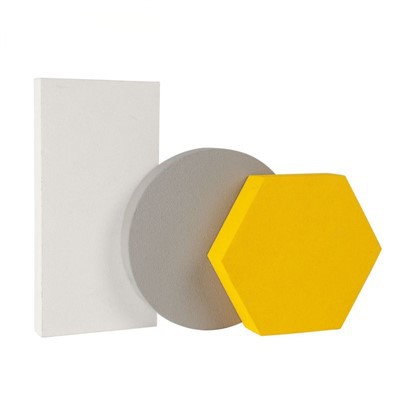
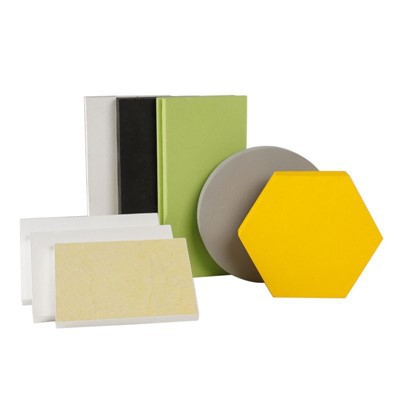
In addition to sound absorption performance, the aesthetic appeal of the acoustic solution is also an important factor to consider. Fabric wrapped acoustic panels offer a wide range of design options, allowing them to blend seamlessly with any interior decor. The fabric covering can be chosen from a variety of colors, patterns, and textures, giving you the flexibility to create a customized look for your space.
Acoustic foams, on the other hand, are typically available in a limited range of colors and shapes. While they can be effective at reducing sound, their appearance may not be as visually appealing as fabric wrapped acoustic panels. However, some acoustic foams are now available with decorative covers or finishes, which can improve their aesthetic appeal.
Durability and Maintenance
Durability and maintenance are also important considerations when choosing an acoustic solution. Fabric wrapped acoustic panels are generally more durable than acoustic foams, as they are made of a solid core material and a protective fabric covering. They are less likely to be damaged by impact or wear and tear, and they can be easily cleaned and maintained.


Acoustic foams, on the other hand, are more prone to damage and wear. They can be easily compressed or torn, especially if they are exposed to high traffic or rough handling. Additionally, acoustic foams may require more frequent cleaning and replacement, as they can accumulate dust and debris over time.
Cost
Cost is always a factor when making a purchasing decision. Fabric wrapped acoustic panels are generally more expensive than acoustic foams, as they are made of higher-quality materials and require more labor to manufacture. However, the cost of fabric wrapped acoustic panels can vary depending on the size, thickness, and design of the panels.
Acoustic foams, on the other hand, are typically more affordable than fabric wrapped acoustic panels. They are available in a variety of sizes and thicknesses, and they can be easily cut and installed. However, the cost of acoustic foams can also vary depending on the quality and brand of the foam.
Ideal Use Cases
Based on the above comparison, fabric wrapped acoustic panels and acoustic foams are suitable for different use cases. Fabric wrapped acoustic panels are ideal for spaces where aesthetics and sound absorption performance are both important, such as recording studios, theaters, and conference rooms. They can also be used in commercial spaces, such as restaurants, offices, and retail stores, to improve the acoustic quality of the environment.
Acoustic foams, on the other hand, are ideal for spaces where cost is a major consideration and where high-frequency sound absorption is the primary goal, such as home studios, gaming rooms, and home theaters. They can also be used in industrial spaces, such as factories and warehouses, to reduce noise levels.
Conclusion
In conclusion, both fabric wrapped acoustic panels and acoustic foams have their own advantages and disadvantages. When choosing an acoustic solution, it's important to consider your specific needs and requirements, as well as your budget. If you're looking for a high-quality acoustic solution that offers both excellent sound absorption performance and aesthetic appeal, Fabric Wrapped Acoustic Wall Panels or Fabric Wrapped Polyester Acoustic Panels may be the right choice for you. If you're on a budget and need a cost-effective solution for high-frequency sound absorption, acoustic foams may be a better option.
If you're interested in learning more about our fabric wrapped acoustic panels or have any questions about acoustic treatment, please don't hesitate to contact us. We'd be happy to help you find the right acoustic solution for your needs.
References
- Beranek, Leo L. "Acoustics." American Scientist 50.4 (1962): 469-492.
- Harris, Cyril M. Handbook of Acoustics. McGraw-Hill, 1998.
- Kinsler, Lawrence E., et al. Fundamentals of Acoustics. John Wiley & Sons, 2000.