

If you've ever spent time in a library-whether cramming for exams, diving into research, or just trying to get work done in a quiet space-you know the vibe: soft page turns, the hum of distant AC, and the occasional accidental murmur that cuts through like a tiny thunderclap. Now, think about this: what if you needed to hop on a quick work call, run a group study session, or record a research clip without bothering anyone? That's exactly where acoustic meeting booths come in, and as a supplier of these nifty soundproof spaces, I get all the questions about whether they actually belong in libraries.
Let's cut to the chase: yes, acoustic meeting booths can absolutely work in libraries-when you pick the right ones and place them smartly. Libraries aren't just for books anymore; they're evolving into hybrid hubs where students, researchers, and even remote workers need both quiet focus and the ability to collaborate without disrupting others. But before I dive into the details, let's talk about why traditional library spaces fall short for collaborative tasks these days. Old-school study rooms are often booked solid, small, and not well-insulated, so a 10-minute group call can turn into a headache for everyone nearby. That's where our acoustic meeting booths step in as a solution that fits like a glove (if the glove was super quiet and modular).
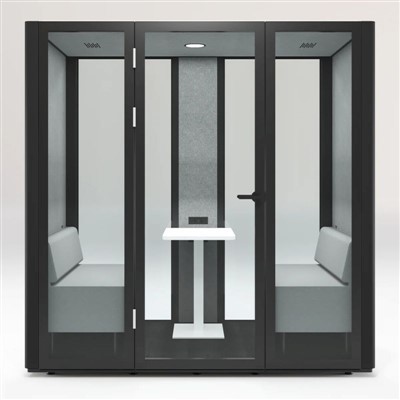
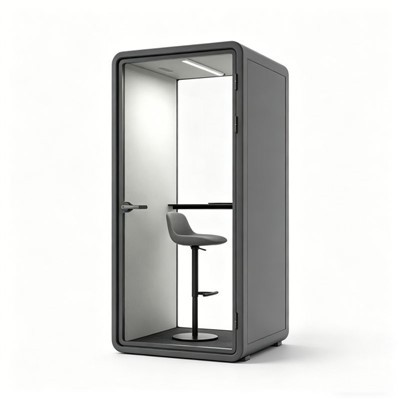
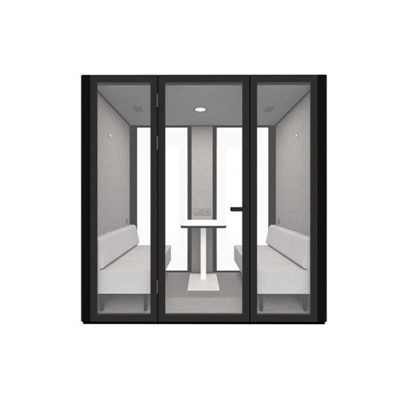
First, let's break down the types of booths that work best for libraries, because one size definitely doesn't fit all. For solo users-think a grad student recording an interview for their thesis, or an undergrad jumping on a 1:1 tutor call-our Single Person Soundproof Booth is a no-brainer. It's compact, takes up barely more floor space than a large armchair, and cuts out enough background noise that the other person on the call won't hear distant library shuffles or a group's study discussion. Then there are the group scenarios: a 3-person study session brainstorming a paper, or a small team of researchers presenting a quick update. For that, the Two-Person Acoustic Booth is perfect (maybe even the Multi-Person Acoustic Booth if you've got a group of 4-6-we've designed those to fit tight spaces too). I've seen schools test these and say students book them way more often than the old study rooms because you don't have to trek across the library and they're ready to use whenever.
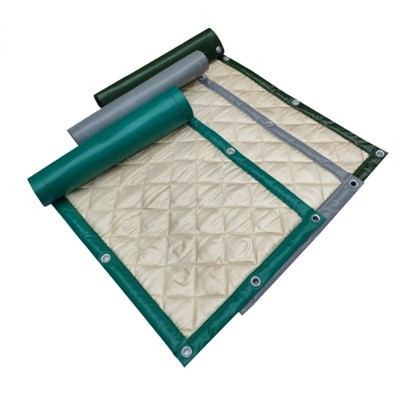
Wait, but let's address the biggest concern library managers always bring up: sound control. Nobody wants a booth that's so loud on the inside you can hear it down the hall, or so flimsy that the whole library hears a call. All our booths-whether you check out the dedicated page for Acoustic Meeting Booths or the specific models I mentioned earlier-are built with the same soundproofing tech we use for office spaces, but tweaked for library use. The walls are double-layered with acoustic foam, the doors seal tight with magnetic strips, and we test every single booth to reduce outside noise by up to 35 decibels. That means if you're inside, you barely hear the library's hum, and if you're outside, you won't hear a peep from a call or group chat inside. It's the kind of balance that keeps the main library quiet while giving people the space they need.


Another win for libraries: flexibility. A lot of older libraries have awkward nooks or unused corners-like a spot between two stacks, or a small area by the entrance that's not disruptive but not quite quiet. Our booths are mobile? Wait, no, some are modular, so you can install them in an afternoon without renovating the entire library. We've even had libraries use them temporarily during exam season when all the study rooms are full, then move them back later when they're not needed. For example, a community college library in Ohio told us they used four of our Single Person Soundproof Booths during midterms and cut noise complaints from 12 a week to 2-because students could take their calls privately instead of huddling by the front desk.
But it's not just about space and sound-library budgets matter too. A lot of library admins worry that these booths are too expensive, but when you compare them to renovating study rooms or adding more permanent spaces, they're a steal. They're low-maintenance, don't require any special wiring (most just need a power outlet for the LED lights inside), and have a 10-year lifespan. Plus, they pay for themselves in a way: happy users mean more people using the library, less need to deal with noise complaints, and a modern amenity that draws in students who might otherwise work off-campus. I've heard from a public library in Chicago that added a pair of our Two-Person Acoustic Booths and saw a 20% jump in study room bookings in the first semester.
Now, let's talk about common myths I hear all the time. First myth: "Booths make the library feel less social." No way-they're actually a middle ground. If someone wants quiet, they can stay in the main reading area; if they need to collaborate, they can use a booth without bothering others. It's like adding a "collision zone" that doesn't mess up the quiet zones. Second myth: "They're only for offices." Nope, we've designed them for all kinds of spaces-libraries, coworking spaces, even community centers. The Single Person Soundproof Booth is tiny enough for a library nook, and the Multi-Person one fits right in a group study area without taking over. Third myth: "Installation is a nightmare." We handle all that-we come to your library, measure the perfect spot, install the booths in a day or two, and train your staff on how to maintain them. No construction delays, no messy wiring.
Wait, but let's make this practical. What does a real library day look like with these booths? 9 a.m.: An undergrad books the Single Person Soundproof Booth to take a call with their professor about their research paper-no background noise, so the conversation is clear. 12 p.m.: A group of grad students reserves the Two-Person Acoustic Booth to practice their presentation for a conference-they can run through slides without worrying about distracting people flipping books nearby. 3 p.m.: A remote worker uses the Soundproof Pods Office (we've got those too, perfect if your library serves community members who need a quiet work space) to finish a project-they're in and out in an hour, no fuss. The best part? All of these booths look sleek, not like ugly metal boxes-they fit right in with library decor, not like an eyesore.
I know what you're thinking: "This sounds great, but is it worth it for my library?" Let's be real-libraries are under pressure to adapt. They're not just for holding books; they're for supporting learning, remote work, and collaboration. Acoustic meeting booths are a small investment that solves a big problem: people needing space to communicate without disrupting others. If you're curious about the details, our full line of acoustic solutions is at the Acoustic Meeting Booths page, where you can browse all the models-from the compact Single Person Soundproof Booth to the larger Multi-Person Acoustic Booth. We've even got case studies from other libraries that have made the switch, so you can see exactly how it works in real life.
At the end of the day, libraries are all about serving their community. Whether that's a high school library with 1,000 students cramming for finals, a university library with grad students needing research time, or a public library with community members working remotely, acoustic meeting booths fill a gap that traditional spaces can't. They're quiet, flexible, and fit right into the library's existing layout without causing a disruption.
If you're ready to chat about how these booths could work for your library, we're here to help. We don't do one-size-fits-all solutions-we'll walk through your space, your community's needs, and help you pick the right booths at a price that fits your budget. Don't let noise complaints or a lack of space hold your library back from being the versatile hub your community needs. Reach out today to start the conversation.
References:
- National Library of Education. (2022). Evolving Library Spaces: Adapting to Hybrid Learning and Work. U.S. Department of Education.
- Sound Insulation Council. (2023). Acoustic Solutions for Public and Academic Spaces. Sound Solutions Quarterly.
- American Library Association. (2021). Guidelines for Modern Library Facilities: Balancing Quiet and Collaboration. ALA Press.
- Interior Design Magazine. (2022). Flexible Workspaces: How Modular Booths Are Reshaping Public Spaces. Interior Design Media Group.