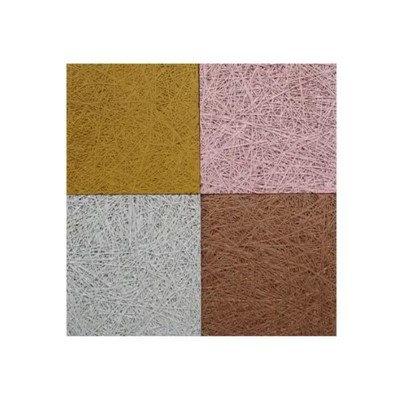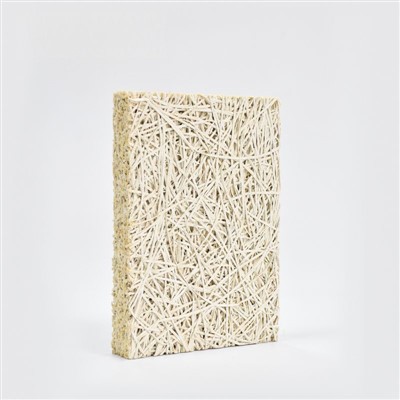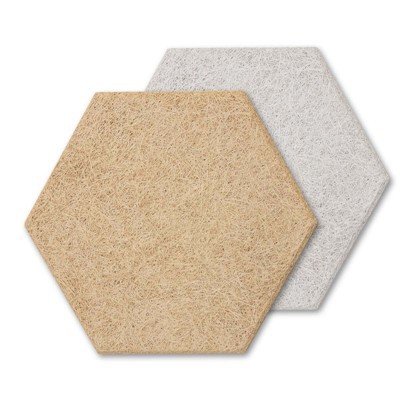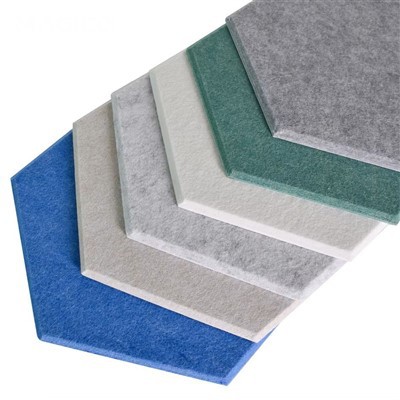


Let me start with something I get asked at least three times a day as a wooden acoustic panels supplier: "Wait, wood isn't fire-resistant-are your panels actually safe?" It's a fair question. If you've ever had a campfire, you know wood burns. And when you're installing acoustic panels in commercial spaces, residential theaters, or open office floors, fire safety isn't just a box to tick-it's non-negotiable. But here's the thing I've learned after 12 years in this industry: treating all wooden acoustic panels the same is like treating every car the same because they all have wheels. There's way more nuance, and that's exactly what I want to break down for you today.
First, let's get one myth out of the way upfront. Pure, unprocessed wood is not fire-resistant. Leave a raw pine plank outside on a grill, and it'll char, then ignite before you finish flipping a burger. But acoustic panels aren't just raw wood glued together. The core design, materials added during manufacturing, and installation process all change how these panels perform when exposed to heat or flame. For context, most of the wooden acoustic panels I supply at our factory are engineered specifically for spaces where both sound control and fire safety matter. That means every step, from the type of wood we source to the backer layer we add, is calibrated to balance acoustics and fire performance.
Let's talk about the science of wood and fire first, because that's the foundation here. When wood heats up, two things happen almost at the same time: it begins to break down (pyrolysis) and release flammable gases, and the outer layer chars. That charred layer acts like a tiny blanket, slowing down how quickly heat gets to the unburnt wood underneath. Raw wood burns fast because that char layer breaks down quickly as the gases ignite. But when we treat wood for acoustic panels, we can adjust that process. The fire-retardant coatings we use aren't just a spray-on afterthought-they change how wood pyrolyzes. They lower the temperature at which char forms, thicken that protective char layer, and reduce the amount of flammable gases released. The result? A panel that will slow, but not stop, combustion.
Now, not all wooden acoustic panels use the same treatment, and that's where the confusion often comes in. Let's go over the most common types you'll come across, since you're probably looking to specify panels for a project. First, there are Wooden Grooved Acoustic Panels-these are one of our best-sellers for open offices and conference rooms because their grooved design enhances sound diffusion. When we make these, we apply a Class A fire-retardant coating to the wood surface before cutting the grooves. We also add a non-flammable acoustic foam core behind the wood slats, not a foam that would catch fire easily. That core works with the treated wood to meet building code requirements for fire resistance. If you're working on a space that needs strict fire ratings, like a restaurant or retail store, these panels are a solid pick because their grooved design doesn't compromise either sound control or fire safety.
Another popular option is Acoustic Perforated Wood Panels. These have small, evenly spaced holes drilled into the wood surface, which lets sound pass through to the core for absorption-perfect for home theaters or recording studios where you need to cut echo without covering walls. Perforated panels have to be handled a bit differently when it comes to fire safety, because drilling holes can create tiny pathways for heat to seep through. We use a specialized fire-retardant treatment that penetrates the wood, including through those small holes, so every part of the panel is protected, not just the outer surface. I've had clients come to me asking about perforated panels that were cheaper but untreated, and it's a risk I never let them take. Even if it works for their home, if they ever decide to rent out their space or sell it, building codes will reject those panels.
Then there's the Wooden Grooved Acoustic Panels line that's specifically designed for high-traffic public spaces, like libraries or school auditoriums. These panels have an extra layer of gypsum board behind the acoustic foam core, which is non-combustible and adds another line of defense against fire. The grooved design on the front still looks sleek, so you don't have to sacrifice aesthetics for safety, and the combination of treated wood and non-flammable core means these panels meet NFPA 701 and CAN/ULC S102 standards-two of the most strict fire safety regulations in North America. I've installed these in a high school auditorium last year, and the facility manager told me she specifically chose them because the fire marshal had flagged the old fabric-wrapped panels that were there before.
For spaces where sound absorption is the top priority, not just fire safety, we have the High Sound Absorption Wood Slat Acoustic Wall Panels. These panels have thicker slats and a denser acoustic core, which means they absorb more mid and high frequency sound-great for open offices or call centers where echo can make conversations hard to follow. But because they're used in spaces with lots of people, fire safety is still key. We use a water-based fire-retardant coating on these panels instead of solvent-based ones, because water-based is less toxic when burned, which is a big plus for emergency situations where people might be breathing in fumes. Solvent-based coatings are more flammable themselves, so we skip them entirely for this line.
Wait, I should mention the one thing that trips a lot of people up: fire resistance vs. fire rating. A lot of suppliers will say their panels are "fire-resistant," but what they really mean is they meet a specific fire rating. For example, a Class A fire rating means the panel will not ignite or contribute to a fire spreading for at least 30 minutes when exposed to a standard flame test. That's the rating you need for most commercial spaces. A Class B rating is less strict, mostly for residential spaces or areas with lower fire risk. None of the acoustic panels I supply have less than a Class B rating, and most of our commercial lines are Class A. I always make sure to tell clients the difference, because if you tell a building inspector you have fire-resistant panels when you only have a Class B, you're looking at a fine or a full re-install.
Another point: installation affects fire performance too. I've seen projects where someone bought great panels, installed them without proper spacing, or used flammable adhesives to mount them to the wall. That can completely negate the fire protection in the panels themselves. We recommend using non-flammable construction adhesive when mounting wooden acoustic panels, and leaving a ½ inch gap between panels and the ceiling/floor to allow air circulation, which also helps slow heat transfer. For suspended ceilings, we use metal tracks instead of wood, to avoid adding any extra flammable material to the system.
What about residential use? I get a lot of homeowners asking about wooden acoustic panels for home theaters or home offices, where fire safety isn't as strict as commercial spaces, but it's still important. For residential applications, our Acoustic Wood Slat Wall Panels work perfectly. They have a Class B fire rating, which meets most local building codes for homes, and they come in a range of wood finishes-walnut, oak, maple-so they blend in with any home decor. I installed a set in my own home theater two years ago, and I've had friends over who didn't even realize they were acoustic panels until I pointed out the small holes and grooves. They look like regular wood slat walls, but they cut the echo in my theater so my wife and I can hear dialogue clearly without cranking the volume.

Now, let's talk about common mistakes I see people making when choosing wooden acoustic panels for fire safety. The first is assuming all wood-based panels are the same. I've had a contractor call me panicking because they ordered perforated panels from a supplier that didn't treat them for fire, and the project was due in two weeks. We were able to rush an order of treated panels to them, but it cost them extra and delayed the project. The second mistake is skipping the documentation. Any reputable supplier should provide a fire test report for their panels, showing the rating and the standard they were tested to. If a supplier can't give you that, walk away. Third, don't try to "save money" with cheap, untreated panels. The cost of re-installing after a fire, or the fines from a building inspector, will be way more than the extra $2 per square foot you saved on the panels.
I think it's also important to address the elephant in the room: can wooden acoustic panels catch fire? Yes, if they're untreated, exposed to an open flame, and used incorrectly. But that's true of a lot of building materials-wood framing, carpet, even fabric couches. Fire safety is about choosing materials that reduce risk, not eliminate it entirely. Treated wooden acoustic panels are actually one of the safer options for sound control, because they don't release toxic fumes like some plastic-based acoustic panels do. When a treated wood panel burns, the char layer slows the spread, and the fumes released are less harmful than those from synthetic alternatives.
For anyone who's still on the fence about whether wooden acoustic panels are right for their space, here's the bottom line: if you choose panels that are properly treated for fire resistance, meet the required fire rating for your space, and are installed correctly, they are safe and code-compliant. The key is working with a supplier who's transparent about their testing and materials. That's why I always encourage clients to ask for fire test reports, ask about the type of treatment used, and double-check that the panels meet local building codes.
At the end of the day, my job isn't just to sell wooden acoustic panels-it's to make sure they work for your space, both acoustically and safely. Whether you're outfitting a small home office or a 10,000 square foot conference center, I can help you find the right panels that balance sound control, aesthetics, and fire safety. If you have questions about specific projects, want to see sample panels, or need help verifying fire ratings for your local building codes, feel free to reach out to our team to discuss your requirements. We'll provide all the documentation you need, answer any questions you have, and make sure the panels you choose are safe, effective, and perfect for your space.
References
- National Fire Protection Association (NFPA). (2021). NFPA 701: Standard Methods of Fire Tests for Flame Propagation of Textiles and Films. Quincy, MA: Author.
- Underwriters Laboratories (UL). (2022). UL 94: Standard for Tests for Flammability of Plastic Materials for Parts in Devices and Appliances. Northbrook, IL: Author.
- Canadian Standards Association (CSA Group). (2020). CAN/ULC S102: Surface Burning Characteristics of Building Materials and Assemblies. Mississauga, ON: Author.
- Wood Works! (2023). Fire Performance of Treated Wood Products. American Wood Council.