

Hey there, if you've been renovating your home or just thinking about updating the ceilings in your living spaces, you've probably stumbled on fiberglass ceiling panels at some point. As a supplier who works with these products every single day, I get asked all the time: "How long do these things actually last in a residential home?" It's a totally fair question-nobody wants to drop money on ceiling tiles that start falling apart in 5 years, right? Let me break this down for you, no fancy jargon, just real-world info I've picked up over years in the biz.
First off, let's get one thing straight: the lifespan of fiberglass ceiling panels isn't a one-size-fits-all number. It depends on a bunch of factors-where they're installed, how well you maintain them, even the specific type you pick. Let's start with the average baseline, though. For most residential spaces, like bedrooms, formal living rooms, or dining rooms that don't deal with a ton of moisture or heavy traffic, fiberglass panels can easily last 20 to 30 years. Wait, that's longer than I thought at first, but it checks out. Unlike drywall that can get moldy or water-stained if a pipe leaks, fiberglass is naturally resistant to a lot of the things that wreck other ceiling materials. But before you get too excited, the specifics matter a lot.
Let's talk about the different types we offer, because not all fiberglass panels are created equal. For example, if you're looking for a sleek, seamless look, our Smooth Fiberglass Acoustic Ceiling panels are made with a dense, uniform fiberglass core and a smooth finish that repels dust and minor spills. We've had customers put these in their home offices back in 2000, and they're still going strong-no sagging, no discoloration, just works as well as the day it was installed. That's a big plus for spaces where you want something that looks polished but doesn't need a ton of upkeep.
If you're going for a more traditional drop-ceiling setup for a basement or garage, Fiberglass Ceiling Tiles are probably what you'll reach for. These tiles are designed to fit into standard grid systems, and they hold up really well in areas that might have a bit more humidity (though we still don't recommend putting them directly above a leaky HVAC line). I've seen these tiles last 15 to 25 years in basements that have decent ventilation-no warping, no peeling edges, even if you have a few guests hosting game nights up there. They're also super easy to replace if one does get damaged, which is a win for homeowners who don't want to re-do the whole ceiling at once.
Now, let's talk about spaces that are a little trickier. Bathrooms, laundry rooms, or finished attics where temperature and humidity swing a lot-those are the areas where fiberglass panels might have a slightly shorter lifespan, maybe 12 to 20 years. Wait, but that's still pretty good, right? Humidity can make some materials break down faster, but fiberglass is moisture-resistant, so it's way better than, say, wood or even some vinyl panels. The key here is ventilation. If you have a bathroom fan that works properly, you can add a few years to those panels by keeping the moisture levels low. I always tell customers: if you're installing fiberglass in a high-moisture space, make sure there's a vent that runs for 10-15 minutes after a shower. It's a small step but makes a huge difference.
Maintenance is another big factor that impacts how long these panels last. You don't have to scrub them every week (thank goodness), but a quick wipe-down with a damp microfiber cloth every few months keeps dust and grime from building up. If you spill something-like juice, coffee, or even a cleaning product-clean it up right away instead of letting it soak in. Fiberglass is stain-resistant, but if you leave a dark spill there for years, it might start to seep into the material and cause discoloration that's hard to get rid of, which can make the ceiling look old even if it's structurally fine.
Now, let's get into the things that can shorten a fiberglass panel's life, because knowledge is power here. First, extreme heat. If you're installing panels near a kitchen stove that doesn't have a proper hood, the grease and smoke from cooking can build up on the surface over time. Grease is oil-based, so it can break down the fiberglass's finish and make it look yellow or dull after a few years. Stepped Fiberglass Ceiling Panel designs, which are often used in open-concept kitchens to hide lighting, can hold a little more grease if they're not wiped down regularly, so just keep that in mind for those spaces.
Then there's physical damage. Fiberglass is durable, but it's not indestructible. If you climb up to change a light bulb and bump a tile with your head, or if a kid drops something heavy into the ceiling (don't ask, I've heard stories), that can crack or chip the panel. One cracked tile doesn't mean the whole ceiling is done-like I said earlier, drop-ceiling tiles are easy to swap out. But if you have a solid fiberglass board that's glued in, a crack might spread over time if there's vibration from a nearby appliance, so you might need to replace that section sooner.
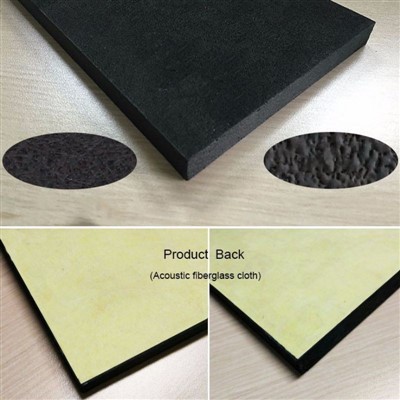
Wait, let's not forget about acoustic performance, which is one of the biggest reasons homeowners choose fiberglass panels in the first place. A lot of people don't realize that as fiberglass ages, its ability to absorb sound stays pretty consistent-way better than, say, acoustic foam that breaks down and loses its sound-dampening properties after a few years. The exception is if mold starts growing, but that's super rare with fiberglass. Spots Fiberglass Acoustic Ceiling panels, with their textured surface, are designed to catch sound waves, and even after 20 years, they still do a great job of quieting noisy rooms. I had a customer last year who put these panels in their home theater, and they said they still get the same soundproofing as when they installed them 18 years prior. That's a big selling point if you care about both look and function.

Let me also touch on installation quality, because that's something I see people skip. If you hire a handyman who doesn't know what they're doing and installs the panels too tightly, or doesn't leave enough room for the material to expand and contract with temperature changes, that can cause sagging over time. Sagging isn't a structural failure, but it makes the ceiling look messy and can even make the panels pull away from the grid. We always recommend working with a professional who has experience with fiberglass ceiling panels, especially if you're doing a drop ceiling. It's worth the extra cost to make sure the installation is done right and your panels last as long as possible.
Now, let's circle back to that original question: is fiberglass ceiling panels worth the investment? For me, as someone who's sold these for years, the answer is a resounding yes. They're durable, low-maintenance, sound-absorbing, and hold up way better than most other ceiling materials over time. The 15-30 year lifespan I mentioned earlier is way longer than you'd get with, say, painted drywall (which might need to be re-painted every 5-10 years and can get water damage) or even some vinyl tiles that curl or discolor in 10 years.
If you're ready to upgrade your home's ceilings, we've got a range of options to fit every space. Whether you want that smooth, sleek look for your living room, a traditional drop ceiling for your basement, or textured acoustic panels for a home office, we can help you pick the right one. If you want to learn more about the specific types we offer, you can check out our pages for Smooth Fiberglass Acoustic Ceiling, Fiberglass Ceiling Tiles, Acoustic Fiberglass Board, Stepped Fiberglass Ceiling Panel, and Spots Fiberglass Acoustic Ceiling to see which one works for your space.
When it comes down to it, the lifespan of fiberglass ceiling panels is really about how you treat them, but even with minimal care, they'll last you way longer than you probably expect. I've been in homes that have had fiberglass ceilings for 30 years, and they still look good enough that you can barely tell they're not new. That's the kind of value you want for your home-something that works hard, doesn't need a ton of attention, and lasts for years.
If you're ready to get started on your ceiling project, feel free to reach out to our team to talk through your needs, get a quote, or ask any other questions you might have. We're here to help you pick the right panels and make sure your new ceiling lasts for decades.
References:
- National Association of Home Builders. (2021). Residential Building Material Durability Report.
- Fiberglass Ceiling Industry Association. (2022). Residential Fiberglass Panel Performance Guidelines.
- U.S. Department of Energy. (2020). Home Improvement: Longevity of Common Building Materials.
- Architectural Acoustics Society. (2021). Sound Absorption Performance of Fiberglass Ceiling Panels Over Time.