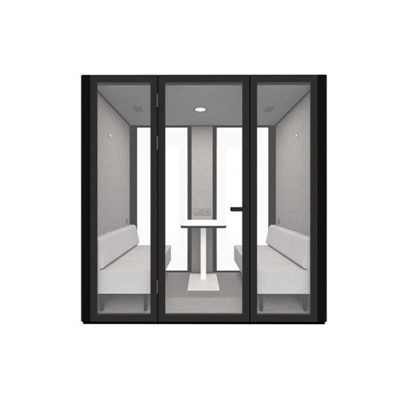


Hey there, I'm [Your Name], part of the team at our movable partition company-we've been selling, installing, and troubleshooting automatic movable partitions for years, and let's be real: a lot of our customers reach out asking how to actually keep these things clean. Automatic partitions aren't just big, fancy room dividers; they're made with moving parts, tracks, and sometimes glass panels that need way more care than a regular wall. Mess that up, and you might start noticing sticking, weird noises, or even that they don't seal as well as they should (yuck, bad sound insulation is the worst for office calls or team breaks).
First, let's get one thing straight: automatic movable partitions are a different beast from the manual or semi-automatic ones we sell, so their cleaning routine is tailored to their motorized, track-heavy design. If you're curious about other types too-like folding glass partition walls or soundproof ones-we've got those listed on our site too, but today we're zeroing in on the automatic ones we deal with every day. This guide's science-backed, tested on hundreds of our installations, and not some random Google hack. Let's dive in.
First: What You Actually Need (No Fancy Tools, Promise)
Before you even touch the partition, grab these common household or office supplies-no need for professional cleaning gear here:
- Soft microfiber cloths (scratch those and you'll ruin the glass or metal tracks)
- A mild, pH-neutral cleaner (think dish soap diluted in water, not harsh bleach or ammonia-those eat away at the rubber seals and motor coatings)
- A dry paintbrush (small, with soft bristles-perfect for getting dust out of track cracks)
- A can of compressed air (great for blowing out crumbs and gunk from tight motor parts, just don't hold it too close)
- A plastic putty knife (wrapped in a cloth, so you don't scratch-only for really stuck-on grime in tracks)
Skip the wire brushes, abrasive sponges, or any cleaning products with alcohol, bleach, or vinegar. Trust me, we've seen what happens when customers use that-tracks rust, seals crack, and motors go wonky. It's a costly fix, so stick to the mild stuff.
Step 1: Prep Before You Clean (Don't Skip This!)
Automatic partitions have a control panel and motorized tracks-turning off the power is non-negotiable. I don't care if it looks like it's off; unplug it or flip the circuit breaker for the partition system. Last year, a guy in Chicago tried cleaning his while it was powered on, and the control panel shorted out-cost him $800 to repair. Not fun.
Next, move the partition to its fully open position. That lets you access both the top and bottom tracks easily, instead of cleaning only half the surface. If it's stuck, don't force it-shoot us a note, or if you have a semi-automatic partition, you might be able to move it manually a bit to shift it. For fully automatic models, forcing it can damage the motor, so better to be safe.
Pro tip: Lay down a drop cloth under the tracks to catch dust and crumbs. Vacuum the floor nearby first, so you don't track dirt around while cleaning.
Step 2: Clean the Tracks (The Most Important Part-80% of Problems Come From Here)
Tracks are the worst for collecting gunk: dust, coffee crumbs, hair (yes, even in offices), little bits of paper. If tracks are dirty, the wheels under the partition get stuck, making the whole thing squeak or jam. Here's how to clean them right:
- Use the small dry paintbrush to get into every nook and cranny of both the top and bottom tracks. Scrape gently with the wrapped putty knife for any thick, stuck-on gunk-don't dig too hard, you can bend the track.
- Wipe the tracks with a damp (not soaking wet!) microfiber cloth. Too much water and it'll drip into the motor-bad news. For really grimy tracks, dip the cloth in that mild soap-water mix, wring it out super well, then wipe.
- Blow any leftover small debris out with compressed air. Hold the can 6-8 inches away, so you don't blast gunk into the motor.
- Once the tracks are dry, you can add a tiny bit of silicone-based lubricant (not WD-40-WD-40 attracts more dirt) to the track wheels. We recommend this for every 3 months, depending on how often the partition is used. Too much lubricant, though, and it'll leave a sticky mess that catches more dirt.
I've seen too many people skip track cleaning and wonder why their partition won't move smoothly. This step takes 10 minutes, but it saves you from calling a repair tech every other month.
Step 3: Wipe Down the Panels (Glass, Metal, or Acrylic-Different Rules Apply)
Automatic partition panels are usually either glass, metal, or sometimes lightweight acrylic. Each needs a different clean to avoid damage:
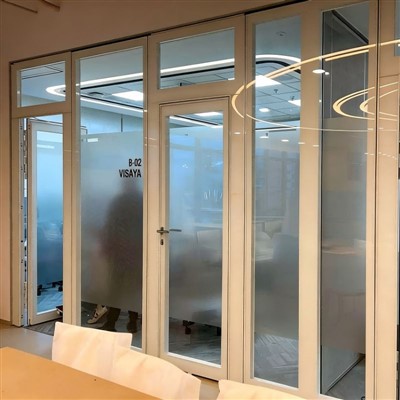
- Glass panels: If you have folding glass partition walls (we sell those too!), use a glass cleaner that's ammonia-free. Spray the cleaner on the microfiber cloth, not directly on the glass-spraying on the glass can drip into the tracks or motor. Wipe in circular motions, then buff with a dry microfiber cloth to avoid streaks.
- Metal panels (aluminum or steel): Wipe with a mild soap-water cloth, then dry immediately. Water spots on metal are annoying, especially if your partition is in a busy office. Avoid any abrasive cleaners that can scratch the finish.
- Acrylic panels: Acrylic scratches super easily, so skip any abrasive tools. Wipe with a damp microfiber cloth and mild soap, then dry. If there's a smudge, a tiny bit of rubbing alcohol is okay (just make sure it's 70% or less, and don't let it sit too long), but test it on a small hidden spot first.
Don't forget the rubber seals around the edges of the panels-these are what keep sound in (if you have a soundproof movable partition) or keep the space divided properly. Wipe them with a damp cloth to get rid of dust, and check for any cracks or tears. If a seal is damaged, it can ruin the sound insulation, so let us know if you spot something.
Step 4: Clean the Motor and Control Parts (Be Gentle!)
The motor is the brain of the automatic partition-mess this up, and you're in for a big repair bill. Here's how to clean it safely:
- The motor is usually in the top header of the partition system, out of reach for most people, but you can clean the exterior. Use a dry microfiber cloth to wipe off dust-don't take it apart unless you're a trained tech.
- The control panel: Wipe the surface with a slightly damp cloth, but never spray liquid directly on it. If there are sticky buttons, use a cotton swab dipped in mild soap-water to get into the cracks.
If you notice the motor making weird noises after cleaning, don't panic-wait a minute, then power it back on and move the partition a few times. If it's still acting up, give us a shout; we can walk you through simple troubleshooting over the phone.
Step 5: Regular Maintenance Routine (Don't Wait for It to Break)
Cleaning once a month is all you need, but adjust it based on how often you use the partition. If it's moving 10+ times a day, clean every 2 weeks. Here's a quick checklist to make it easy:
- Every month: Wipe panels, clean tracks of loose dust.
- Every 3 months: Deep clean tracks, add a tiny bit of lubricant to wheels, check seals.
- Every 6 months: Inspect motor and control panel, call us if you notice sticking or odd sounds.
A Quick Note on Other Partition Types (Just in Case)
While we focused on automatic movable partitions, if you're looking for something different-like manual movable partition walls for a smaller space, or semi-automatic for a middle ground-we've got those on our site too. And if you need extra soundproofing, our soundproof movable partition line is designed to cut noise even when used regularly.


Ready to Upgrade or Get Your Partition Serviced?
If your current automatic partition is acting up, or you're looking to install a new one in your office, meeting room, or event space, we're here to help. Our team has years of experience installing and maintaining all types of movable partitions, and we can answer any questions you have about cleaning, installation, or customization.
Reach out to us to discuss your needs-we'll help you find the perfect partition for your space, and keep it running smoothly for years.
References
- National Flooring Equipment Association. (2022). Best Practices for Maintaining Commercial Movable Partition Systems. Retrieved from industry trade publications on commercial interior maintenance.
- Sound Insulation Materials Association. (2023). Cleaning Guidelines for Motorized Soundproof Partitions. Retrieved from technical resources for commercial acoustic solutions.
- Interior Design Today. (2021). Common Mistakes When Cleaning Automatic Room Dividers and How to Avoid Them. Retrieved from commercial office design and maintenance guides.