

Hey there! As a supplier of fabric wrapped acoustic panels, I often get asked, "Do fabric wrapped acoustic panels require maintenance?" Well, let's dig into this topic and clear up any confusion.
First off, let's understand what fabric wrapped acoustic panels are. These panels are a popular choice for both residential and commercial spaces. They're designed to absorb sound, reducing echo and noise levels. You see them in recording studios, home theaters, offices, and even restaurants. The fabric wrapping gives them a sleek and modern look, making them not just functional but also aesthetically pleasing.
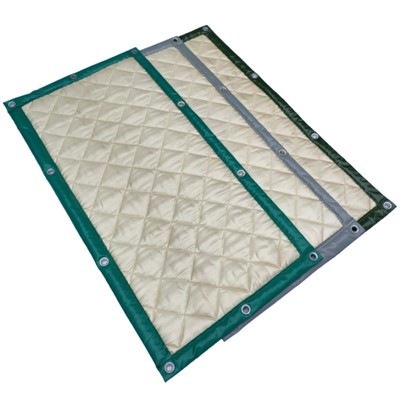
There are different types of these panels, like Leather Wrapped Acoustic Panel and Fabric Covered Acoustic Panels. Each type has its own set of characteristics, but they all serve the same fundamental purpose of sound absorption.
Now, back to the main question: do they need maintenance? The short answer is yes, but it's usually not a huge hassle.
Dust and Dirt
One of the most common issues with fabric wrapped acoustic panels is dust and dirt buildup. Over time, dust particles can settle on the fabric surface, which not only makes the panels look dirty but can also affect their sound - absorbing capabilities. To combat this, a regular dusting routine is a must. You can use a soft, dry cloth or a feather duster to gently wipe the surface of the panels. This should be done at least once a month, depending on the environment.
If the panels are in a high - traffic area or a place with a lot of dust, like a construction site office or a workshop, you might need to dust them more frequently. For example, in a busy restaurant kitchen, where there's a lot of steam, grease, and dust in the air, weekly dusting could be necessary.
Stains
Stains are another potential problem. Whether it's a coffee spill in an office or a crayon mark in a child's playroom, stains can ruin the appearance of the panels. The good news is that many fabric wrapped acoustic panels are made with stain - resistant fabrics. However, if a stain does occur, you need to act quickly.
For minor stains, a mild detergent and water solution can often do the trick. Dip a clean, soft cloth into the solution, wring it out until it's only slightly damp, and then gently blot the stain. Avoid rubbing the fabric too hard, as this can either spread the stain or damage the fabric fibers.
If the stain is more stubborn, you might need to use a specialized fabric cleaner. But before applying any cleaner to the entire panel, it's always a good idea to test it on a small, inconspicuous area first to make sure it doesn't cause any discoloration or damage.
Sunlight Exposure
Sunlight can also have an impact on fabric wrapped acoustic panels. Prolonged exposure to direct sunlight can cause the fabric to fade over time. If your panels are installed near windows or in areas with a lot of sunlight, you might want to use curtains or blinds to protect them.
Even if the panels are in a location with indirect sunlight, the color can still change gradually. This is more of a cosmetic issue than a functional one, but it can still be a concern if you want your panels to maintain their original look.


Structural Integrity
In addition to the fabric part, it's important to check the structural integrity of the panels. Over time, the frame or the backing of the panels can become loose or damaged. This can affect the way the panels are installed and their overall performance. You should visually inspect the panels periodically to make sure there are no signs of damage, such as cracks in the frame or the backing separating from the panel.
If you notice any issues with the frame or backing, you'll need to address them promptly. Sometimes, a simple tightening of screws or re - gluing can fix the problem. In more severe cases, you might need to replace the damaged parts.
Maintenance Frequency
So, how often should you perform these maintenance tasks? Well, it really depends on the environment. In a clean, low - traffic residential setting, a monthly dusting and a quarterly thorough inspection might be sufficient. In a commercial environment like a concert hall or a busy office, you might need to do weekly dusting, monthly stain checks, and quarterly structural inspections.
Now, you might be thinking, "That sounds like a lot of work." But compared to other sound - absorbing solutions, fabric wrapped acoustic panels are actually quite low - maintenance. For example, some acoustic foams require specialized cleaning and are more prone to damage.
If you're interested in Fabric Wrapped Acoustic Wall Panels, our company offers a wide variety of options. We ensure that all our panels are made with high - quality materials, which not only improves their sound - absorbing capabilities but also makes them more durable and easier to maintain.
What's more, we provide detailed maintenance guides with every product purchase. If you have any questions or need further advice on maintaining your fabric wrapped acoustic panels, our team of experts is always here to help.
We're committed to providing the best products and services to our customers. Whether you're a small business owner looking to improve the acoustics in your office or a homeowner building a home theater, our fabric wrapped acoustic panels are a great choice.
If you're considering purchasing fabric wrapped acoustic panels, or if you have any questions about our products or maintenance, don't hesitate to reach out. Contact us today to start a conversation about how we can meet your acoustic needs.
References
- Acoustic Materials Handbook.
- Textile Maintenance Guide for Interior Applications.
- Building Acoustics: Design and Installation Practices.