

Can industrial noise barriers be used in outdoor and indoor settings?
As a supplier of industrial noise barriers, I often get asked whether these barriers can be used in both outdoor and indoor settings. The short answer is yes, but there are some important considerations to keep in mind.
Outdoor Use of Industrial Noise Barriers
Outdoor environments are often plagued by various sources of noise, such as traffic, industrial machinery, and construction activities. Industrial noise barriers are designed to mitigate these noise issues effectively.
One of the most common outdoor applications is along highways and motorways. Motorway Acoustic Fencing is specifically engineered to reduce the noise generated by vehicles. These barriers are typically made of materials that can absorb and reflect sound waves. For example, they may be constructed with porous materials that trap sound within their structure, preventing it from spreading further. The design of motorway acoustic fencing also takes into account factors like wind resistance and durability, as they need to withstand harsh weather conditions over long periods.
In industrial areas, Industrial Noise Barrier is used to contain the noise produced by factories and manufacturing plants. These barriers can be customized to fit the specific needs of the industrial site. They are often large in size and can be installed around the perimeter of the facility to create a noise - reducing buffer zone. The materials used in industrial noise barriers are chosen for their high - performance sound - absorbing properties. For instance, some barriers are made of fiberglass or mineral wool, which are excellent at dampening sound.
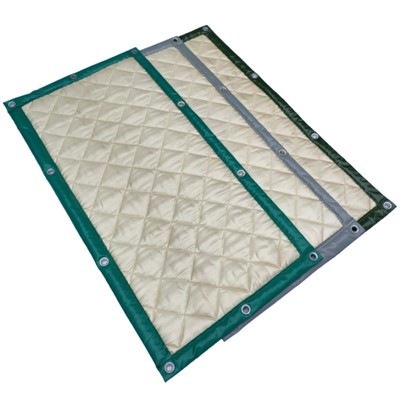
Construction sites are another area where industrial noise barriers are highly useful. Construction Acoustic Barriers help to reduce the noise generated by heavy machinery, such as excavators, bulldozers, and cranes. These barriers can be easily installed and removed as the construction project progresses. They are also designed to be portable and lightweight, making them convenient for use in different locations on the site.


Indoor Use of Industrial Noise Barriers
Indoor settings also face noise problems, especially in commercial and industrial buildings. For example, in factories, the noise from machinery can be a significant issue for workers' health and productivity. Industrial noise barriers can be used to create quieter workspaces within the factory.
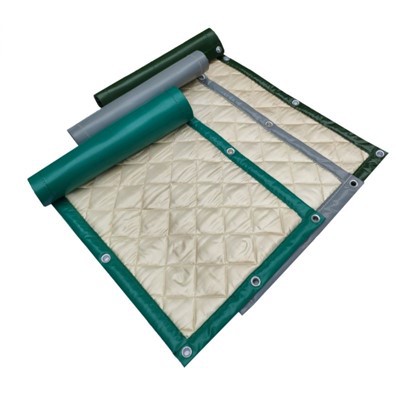
Vinyl Sound Barrier is a popular choice for indoor applications. It is flexible, easy to install, and can be cut to fit different spaces. Vinyl sound barriers can be used to partition large industrial areas, creating separate zones with reduced noise levels. They can also be installed on walls and ceilings to absorb sound and prevent it from bouncing around the room.
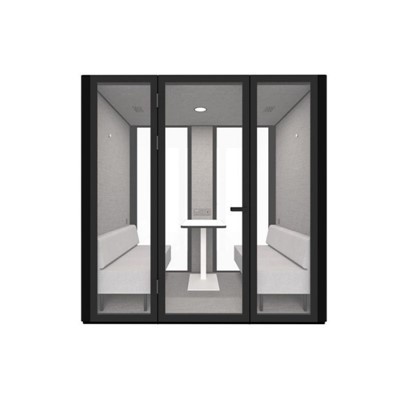
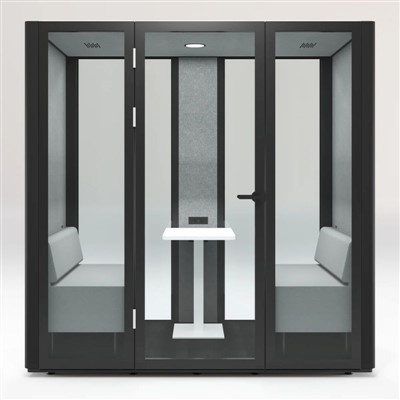
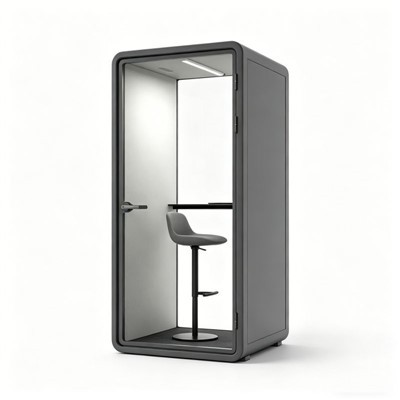
In offices, noise from open - plan workspaces, such as chatter and the hum of equipment, can be distracting. Industrial noise barriers can be used to create private work areas or to reduce the overall noise level in the office. These barriers can be designed to blend in with the office decor, providing both a functional and aesthetic solution.
Considerations for Using Industrial Noise Barriers in Different Settings
When using industrial noise barriers in outdoor settings, weather resistance is a crucial factor. The barriers need to be able to withstand rain, snow, sunlight, and extreme temperatures without losing their sound - absorbing properties. They also need to be structurally stable to resist strong winds. Additionally, outdoor barriers may need to comply with local regulations regarding height, appearance, and environmental impact.
For indoor use, the design and aesthetics of the noise barriers are more important. They need to fit in with the overall interior design of the space. Fire safety is also a significant consideration. The materials used in indoor noise barriers should be fire - resistant to meet building codes.
Another important aspect is the installation process. Outdoor barriers may require more complex installation methods, such as concrete foundations or anchoring systems. Indoor barriers, on the other hand, can often be installed using simpler methods like adhesive or mounting brackets.
Benefits of Using Industrial Noise Barriers in Both Settings
The use of industrial noise barriers in both outdoor and indoor settings offers several benefits. In outdoor settings, they help to protect nearby communities from excessive noise pollution. This can improve the quality of life for residents, reduce the risk of noise - related health problems, and even increase property values in the area.
In indoor settings, noise barriers can enhance the working environment. They can reduce stress levels among employees, improve concentration, and increase productivity. By creating quieter spaces, they also contribute to a more comfortable and pleasant atmosphere.
How to Choose the Right Industrial Noise Barrier
When choosing an industrial noise barrier for either outdoor or indoor use, several factors should be considered. First, the noise reduction coefficient (NRC) of the barrier is important. This measures how effectively the barrier absorbs sound. A higher NRC value indicates better sound absorption.
The type of noise source also matters. Different barriers are more effective at reducing different types of noise, such as high - frequency or low - frequency noise. For example, some barriers are better at reducing the sharp, high - pitched noise of machinery, while others are more effective at dampening the low - rumbling noise of traffic.
The size and shape of the area where the barrier will be installed are also crucial. For large outdoor areas, larger and more robust barriers may be required. In indoor settings, the barrier should be sized to fit the available space and the specific noise - reduction needs.
Conclusion
Industrial noise barriers can indeed be used in both outdoor and indoor settings. They offer a practical solution to the problem of noise pollution in a variety of environments. Whether it's reducing traffic noise on a motorway, containing industrial noise in a factory, or creating a quiet workspace in an office, these barriers can make a significant difference.
If you are interested in purchasing industrial noise barriers for your specific needs, whether it's for an outdoor project like Exterior Soundproofing Fence or an indoor application, feel free to contact us. We can provide you with detailed information about our products, help you choose the right barrier for your situation, and guide you through the installation process. Let us work together to create a quieter and more comfortable environment.
References
- Harris, C. M. (Ed.). (2013). Handbook of noise control. McGraw - Hill.
- Beranek, L. L., & Ver, I. L. (1992). Noise and vibration control engineering: principles and applications. Wiley.