

Acoustic noise is a widespread problem in our modern lives, affecting everything from our homes and workplaces to public spaces. As an acoustic noise barrier supplier, I've seen firsthand the different solutions people turn to when dealing with noise pollution. Two of the most common options are acoustic noise barriers and sound - absorbing panels. In this blog, I'll compare these two solutions to help you decide which one might be best for your needs.
How Acoustic Noise Barriers Work
Acoustic noise barriers are designed to block sound from traveling from one area to another. They work on the principle of reflection and diffraction. When sound waves hit a noise barrier, a significant portion of the sound is reflected back toward the source. The remaining sound waves try to bend around the edge of the barrier, but this process weakens the sound waves, reducing their intensity on the other side.
We offer a variety of noise barriers, including Industrial Noise Barrier, which is great for factories and industrial settings. These barriers are made from robust materials that can withstand harsh industrial environments while effectively blocking out loud machinery noise.
Motorway Acoustic Fencing is another popular product. It's installed along highways to protect nearby residential areas from the constant roar of traffic. These fences are engineered to be both durable against weather conditions and highly effective in reducing traffic noise.
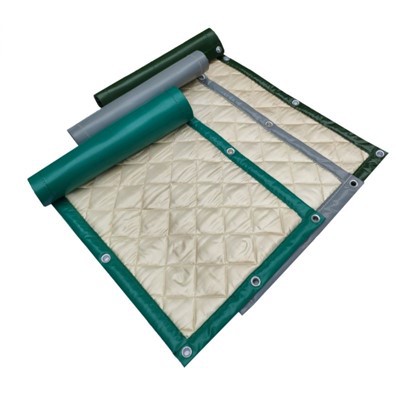
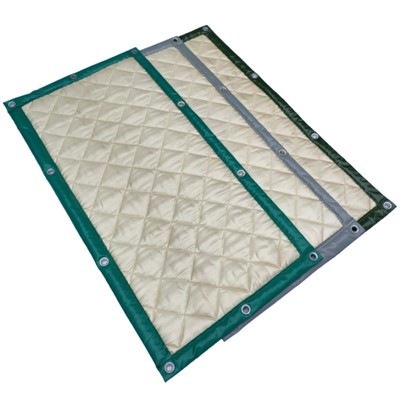
Vinyl Sound Barrier is a flexible option. It can be easily installed in a range of settings, from construction sites to home studios. The vinyl material is lightweight yet dense enough to block a fair amount of sound.
Construction Acoustic Barriers are used to contain the noise generated during building projects. They are often large - scale and can be quickly set up and removed as needed on construction sites.
Exterior Soundproofing Fence is ideal for homeowners who want to create a quiet outdoor space. These fences not only reduce noise from outside but also add a decorative element to the property.
How Sound - Absorbing Panels Work
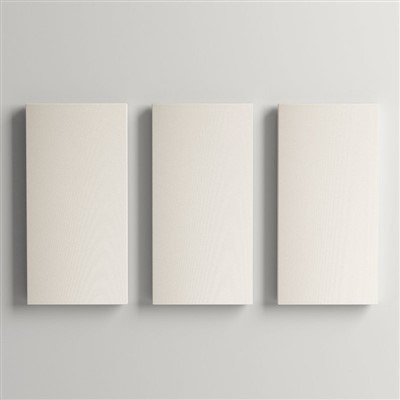
On the other hand, sound - absorbing panels work by converting sound energy into heat energy. They are usually made of porous materials like fiberglass, foam, or mineral wool. When sound waves enter the panel, they get trapped in the small pores and cavities within the material. As the sound waves bounce around inside these spaces, their energy is gradually dissipated as heat, reducing the overall sound level in the room.
Sound - absorbing panels are commonly used in indoor spaces such as recording studios, theaters, and offices. In recording studios, they help to create a controlled acoustic environment by minimizing echoes and reverberations. In offices, they can improve the speech intelligibility and reduce distractions caused by background noise.


Effectiveness in Different Environments
Outdoor Environments
Acoustic noise barriers shine in outdoor settings. For large - scale noise sources like highways, railways, and industrial facilities, noise barriers can create a significant noise reduction. Their height and density can be customized based on the specific noise source and the area that needs protection. For example, a tall and thick motorway acoustic fence can block a large portion of traffic noise from reaching nearby homes.
Sound - absorbing panels, however, are not very effective outdoors. Since they rely on the sound waves entering the porous material, the wind and open air can disrupt this process. Plus, the elements like rain and sunlight can damage the porous materials over time, reducing their sound - absorbing capabilities.
Indoor Environments
In indoor spaces, the choice between noise barriers and sound - absorbing panels depends on the specific situation. If you want to block noise from one room to another, an acoustic noise barrier might be the way to go. For instance, in a multi - tenant office building, a vinyl sound barrier can be installed between offices to prevent noise leakage.
But if you're more concerned with improving the acoustic quality within a single room by reducing echoes and reverberations, sound - absorbing panels are a better option. A lecture hall filled with sound - absorbing panels will have better speech clarity compared to a hall with just noise barriers.
Installation and Maintenance
Installation
Acoustic noise barriers generally require more complex installation, especially for large - scale outdoor installations. For example, motorway acoustic fencing needs to be firmly anchored to the ground to withstand strong winds and vehicle vibrations. Construction often involves excavation, concrete pouring, and the use of heavy machinery.
Sound - absorbing panels are usually easier to install. They can be simply mounted on walls or ceilings using adhesives or clips. In many cases, even DIY enthusiasts can install sound - absorbing panels in their home studios or small offices.
Maintenance
Noise barriers need regular maintenance. Outdoor barriers can be damaged by weather, vandalism, or collisions. For example, industrial noise barriers may get dented by machinery or damaged by chemical spills. Regular inspections and repairs are necessary to ensure their continued effectiveness.
Sound - absorbing panels also need some maintenance. In dusty environments, the pores in the panels can get clogged, reducing their sound - absorbing ability. Cleaning or replacing the panels at regular intervals can help maintain their performance.
Cost Considerations
The cost of acoustic noise barriers and sound - absorbing panels can vary widely depending on factors such as size, material, and quality. Generally, large - scale acoustic noise barriers, especially those for industrial or highway applications, can be quite expensive due to the high - quality materials and complex installation requirements.
Sound - absorbing panels can be more budget - friendly, especially for small - scale indoor projects. However, for high - end panels made from premium materials and designed for critical acoustic applications like recording studios, the cost can also be significant.
A Matter of Aesthetics
Another factor to consider is the aesthetics. Acoustic noise barriers, especially the large outdoor ones, can be quite bulky and may not be visually appealing. However, modern designs are becoming more aesthetically pleasing, with options for different colors and finishes.
Sound - absorbing panels can be more versatile in terms of appearance. They come in various shapes, sizes, and colors, and can be designed to blend in with the interior decor of a room. Some panels even have decorative patterns or can be customized with artwork.
Conclusion: Making the Right Choice
So, how do acoustic noise barriers compare to sound - absorbing panels? Well, it really boils down to your specific needs. If you're dealing with outdoor noise sources or need to block noise between different spaces, acoustic noise barriers are a powerful solution. On the other hand, if you're looking to improve the acoustic quality within a single indoor space by reducing echoes and reverberations, sound - absorbing panels are the way to go.
If you're still unsure which option is best for your situation, or if you're interested in purchasing our acoustic noise barriers, don't hesitate to reach out. We're here to help you evaluate your needs and find the most suitable noise control solution. Contact us for a consultation and let's work together to create a quieter environment.
References
- Beranek, L. L., & Ver, I. L. (1992). Noise and vibration control engineering: principles and applications. Wiley.
- Kryter, K. D. (1994). The handbook of hearing and the effects of noise: physiological and psychological effects. Academic Press.