

As a supplier of wood wool panels, I've witnessed firsthand the growing interest in these unique insulation materials. In this blog post, I'll delve into how wood wool panels stack up against other insulation options, exploring their benefits, drawbacks, and applications.
Understanding Wood Wool Panels
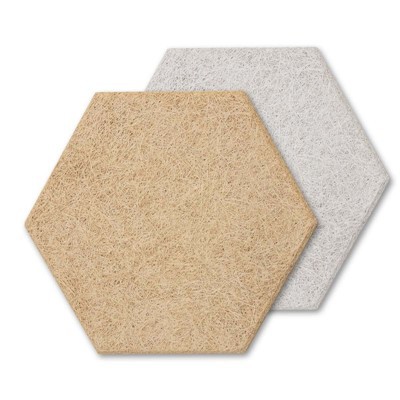
Wood wool panels are made from long, thin strands of wood that are bonded together with cement or other binders. These panels offer a range of advantages, including excellent insulation properties, sound absorption, and fire resistance. They are also environmentally friendly, as they are made from renewable resources and can be recycled at the end of their lifespan.
One of the key features of wood wool panels is their high porosity, which allows them to trap air and provide effective thermal insulation. This makes them ideal for use in both residential and commercial buildings, helping to reduce energy consumption and lower heating and cooling costs.
Comparing Wood Wool Panels to Other Insulation Materials
Fiberglass Insulation
Fiberglass insulation is one of the most commonly used insulation materials in the construction industry. It is made from fine glass fibers that are woven together to form a blanket or batt. Fiberglass insulation is known for its high thermal resistance and affordability.
However, fiberglass insulation has some drawbacks. It can be itchy and irritating to the skin, and it can also release tiny glass fibers into the air, which can be harmful if inhaled. In addition, fiberglass insulation is not as effective at sound absorption as wood wool panels.
Mineral Wool Insulation
Mineral wool insulation is another popular insulation material. It is made from natural minerals, such as basalt or slag, that are melted and spun into fibers. Mineral wool insulation is known for its high fire resistance and sound absorption properties.
Like fiberglass insulation, mineral wool insulation can be itchy and irritating to the skin. It can also be more expensive than wood wool panels. In addition, mineral wool insulation is not as environmentally friendly as wood wool panels, as it is made from non-renewable resources.
Polystyrene Insulation
Polystyrene insulation is a lightweight, rigid insulation material that is made from expanded polystyrene beads. It is known for its high thermal resistance and low cost.
However, polystyrene insulation has some drawbacks. It is not as effective at sound absorption as wood wool panels, and it can also be flammable. In addition, polystyrene insulation is not as environmentally friendly as wood wool panels, as it is made from non-renewable resources and can take hundreds of years to decompose.
Cellulose Insulation
Cellulose insulation is made from recycled paper that is treated with fire retardants. It is known for its high thermal resistance and sound absorption properties.
Cellulose insulation is a more environmentally friendly option than some other insulation materials, as it is made from recycled materials. However, it can be more expensive than wood wool panels, and it can also be difficult to install.
Advantages of Wood Wool Panels
Now that we've compared wood wool panels to other insulation materials, let's take a closer look at some of the advantages of using wood wool panels.
Excellent Insulation Properties
Wood wool panels offer excellent thermal insulation properties, helping to keep buildings warm in the winter and cool in the summer. Their high porosity allows them to trap air, which acts as a natural insulator.
Sound Absorption
Wood wool panels are also effective at sound absorption, making them ideal for use in buildings where noise reduction is important, such as schools, hospitals, and offices. The porous structure of the panels helps to absorb sound waves, reducing echo and reverberation.
Fire Resistance
Wood wool panels are highly fire resistant, making them a safe choice for use in buildings. The cement or other binders used in the panels help to prevent the wood from catching fire, and the panels can withstand high temperatures without burning.
Environmental Friendliness
Wood wool panels are made from renewable resources, such as wood, and they can be recycled at the end of their lifespan. This makes them a more environmentally friendly option than some other insulation materials, which are made from non-renewable resources.
Easy to Install
Wood wool panels are easy to install, making them a popular choice for both DIYers and professional contractors. They can be cut to size using a saw or other cutting tool, and they can be installed using a variety of methods, such as nails, screws, or adhesive.
Applications of Wood Wool Panels
Wood wool panels can be used in a variety of applications, including:
Wall Insulation
Wood wool panels can be used to insulate walls in both residential and commercial buildings. They can be installed on the interior or exterior of the wall, depending on the specific requirements of the project.
Ceiling Insulation
Wood wool panels can also be used to insulate ceilings. They can be installed on the ceiling joists or on the underside of the roof, helping to reduce heat loss and improve energy efficiency.
Soundproofing
Wood wool panels are an effective soundproofing material, making them ideal for use in rooms where noise reduction is important, such as recording studios, theaters, and conference rooms.


Fireproofing
Wood wool panels are highly fire resistant, making them a safe choice for use in buildings where fire protection is important, such as schools, hospitals, and commercial buildings.
Different Types of Wood Wool Panels
There are several different types of wood wool panels available, each with its own unique features and benefits. Here are some of the most popular types:
- Shape Of Wood Wool Acoustic Panel: These panels are designed to provide excellent sound absorption and are available in a variety of shapes and sizes.
- Painted Wood Wool Acoustic Panel: These panels are pre-painted, making them a convenient option for use in interior applications.
- Wood Fiber Acoustic Ceiling Tiles: These tiles are made from wood fibers and are designed to provide excellent sound absorption and a decorative finish.
- Groove Wood Wool Acoustic Panel: These panels have a grooved surface, which helps to increase their sound absorption properties.
- wood wool acoustic wall panels: These panels are designed to be installed on walls and provide excellent sound absorption and a decorative finish.
Conclusion
In conclusion, wood wool panels offer a range of advantages over other insulation materials. They are an excellent choice for use in both residential and commercial buildings, providing effective thermal insulation, sound absorption, and fire resistance. They are also environmentally friendly and easy to install.
If you're considering using wood wool panels for your next insulation project, I encourage you to contact me to learn more about our products and services. I'd be happy to answer any questions you may have and help you choose the right wood wool panels for your specific needs.
References
- Building Research Establishment. (2019). Insulation: A guide to selection.
- International Energy Agency. (2020). Energy efficiency in buildings.
- National Institute of Standards and Technology. (2018). Thermal insulation materials: Properties and performance.