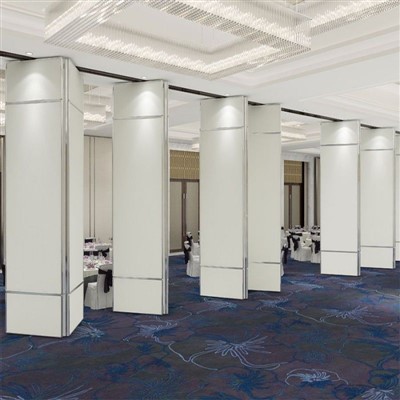


When it comes to creating an ideal model room, sound quality is often an overlooked yet crucial aspect. A well - designed model room should not only look appealing but also provide a comfortable acoustic environment. This is where sound - absorbing materials play a significant role. As a sound - absorbing materials supplier, I have in - depth knowledge of various materials that can be used to enhance the acoustic performance of model rooms.
The Importance of Sound - Absorbing Materials in Model Rooms
Model rooms are designed to showcase properties or products in the best possible light. Whether it's a real - estate model room or a product display room, excessive noise can be a major distraction. Unwanted echoes, reverberations, and external noise can make it difficult for visitors to focus on the features being presented. Sound - absorbing materials help to reduce these issues by absorbing sound waves, creating a more peaceful and focused environment.
Types of Sound - Absorbing Materials for Model Rooms
1. Microporous Wooden Acoustic Panels
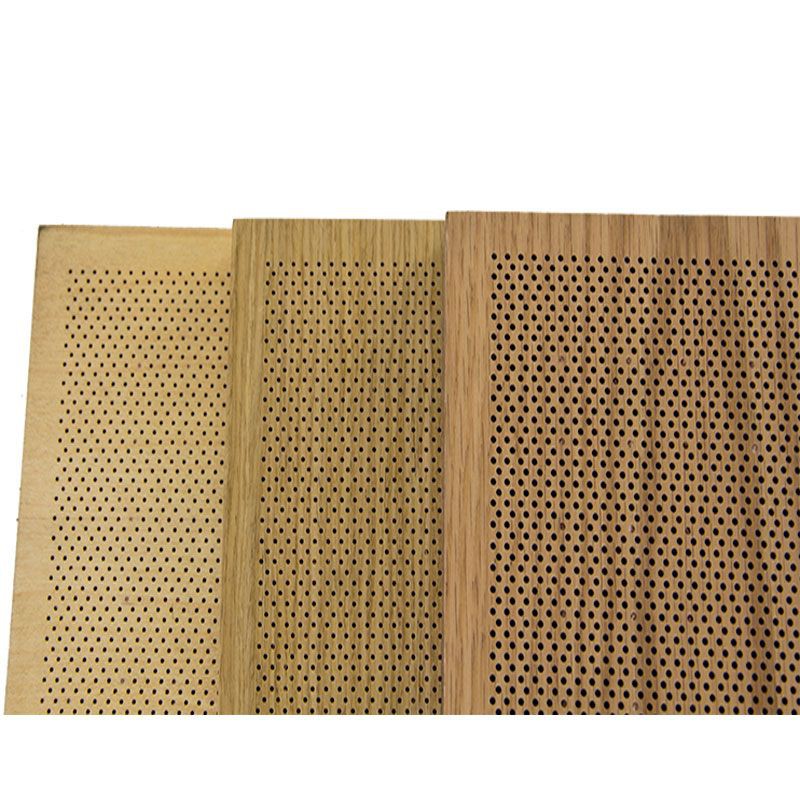
Microporous wooden acoustic panels are an excellent choice for model rooms. These panels are made from high - quality wood with tiny pores that allow sound waves to enter and be absorbed. The natural aesthetic of wood adds a warm and inviting touch to the model room, making it more appealing to visitors.
The porous structure of these panels works on the principle of sound energy conversion. When sound waves hit the panel, they enter the pores and are converted into heat energy through friction. This effectively reduces the reflection of sound, minimizing echoes and reverberations.
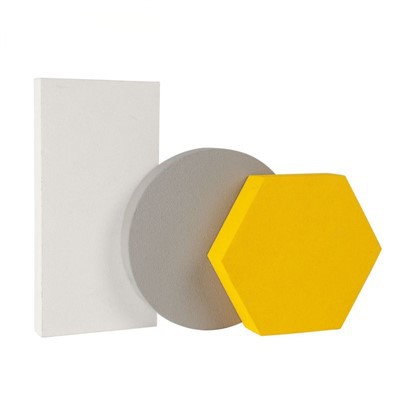
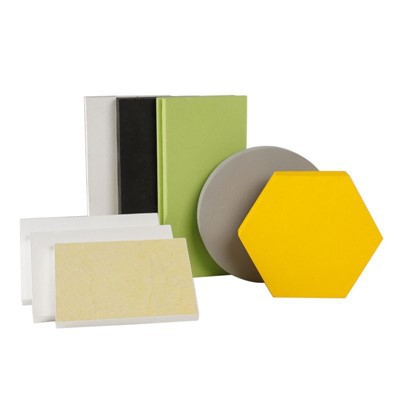
Microporous Wooden Acoustic Panels are available in a variety of finishes and colors, allowing them to be easily integrated into different design styles. They can be installed on walls, ceilings, or even as room dividers, providing flexibility in acoustic design.
2. PET Acoustic Wall Panels
PET (Polyethylene Terephthalate) acoustic wall panels are another popular option for model rooms. These panels are made from recycled PET plastic, which makes them an environmentally friendly choice. They are lightweight, easy to install, and offer excellent sound - absorbing properties.
PET acoustic wall panels work by trapping sound waves within their fibrous structure. The fibers create a maze - like path for the sound waves, causing them to lose energy as they travel through the panel. This results in a significant reduction in sound reflection.
PET Acoustic Wall Panels are available in different thicknesses and densities, allowing for customization based on the specific acoustic requirements of the model room. They can also be printed with various patterns and designs, adding a decorative element to the room.
3. Fabric Wrapped Polyester Acoustic Panels
Fabric wrapped polyester acoustic panels combine the benefits of sound absorption with a soft and aesthetically pleasing appearance. The polyester core provides excellent sound - absorbing properties, while the fabric covering adds a touch of elegance to the model room.
The fabric used in these panels can be chosen from a wide range of colors and textures, allowing for a customized look. The porous nature of the fabric and the polyester core work together to absorb sound waves, reducing noise levels in the room.
Fabric Wrapped Polyester Acoustic Panels are suitable for both residential and commercial model rooms. They can be used on walls, ceilings, or as freestanding partitions, providing a versatile solution for acoustic treatment.
Factors to Consider When Choosing Sound - Absorbing Materials
When selecting sound - absorbing materials for a model room, several factors need to be considered:
1. Sound Absorption Coefficient
The sound absorption coefficient is a measure of how effectively a material absorbs sound. A higher coefficient indicates better sound absorption. It is important to choose materials with a high sound absorption coefficient in the frequency range relevant to the model room. For example, if the room is used for presentations, materials that absorb mid - frequency sounds are more important.
2. Aesthetics
The appearance of the sound - absorbing materials should complement the overall design of the model room. As mentioned earlier, materials like wooden acoustic panels and fabric wrapped panels offer both acoustic performance and aesthetic appeal.
3. Installation and Maintenance
The ease of installation and maintenance of the materials is also an important consideration. Some materials may require professional installation, while others can be easily installed by the user. Additionally, materials that are easy to clean and maintain are more practical for long - term use.

4. Cost
Cost is always a factor when choosing materials for a model room. While high - quality sound - absorbing materials may be more expensive, they often provide better performance and durability. It is important to find a balance between cost and quality to meet the budget requirements of the project.
How Our Company Can Help
As a sound - absorbing materials supplier, we offer a wide range of products to meet the diverse needs of model room projects. Our team of experts can provide professional advice on the selection and installation of sound - absorbing materials. We understand that each model room is unique, and we work closely with our clients to develop customized acoustic solutions.
Whether you are looking for a natural and warm look with wooden acoustic panels, an environmentally friendly option with PET panels, or an elegant and soft appearance with fabric wrapped panels, we have the right products for you. We also offer competitive pricing and excellent customer service to ensure a smooth and satisfactory experience for our clients.
If you are interested in improving the acoustic quality of your model room, we encourage you to contact us for a consultation. Our team will be happy to discuss your specific requirements and provide you with a detailed proposal. Let us help you create a model room that not only looks great but also sounds great.
References
- Beranek, Leo L. "Acoustics." American Institute of Physics, 1986.
- Noise Control Engineering: Principles and Applications, Second Edition. Edited by David B. Nefske and Myron L. Wolford. Marcel Dekker, 2003.