

Hey there! As a supplier of sound - absorbing materials, I've been in the game for quite a while, and I've seen firsthand what makes a great sound - absorbing material. In this blog, I'm gonna break down the properties that set the best ones apart.
High Sound Absorption Coefficient
The most obvious property of good sound - absorbing materials is a high sound absorption coefficient. This coefficient measures how well a material can absorb sound at different frequencies. Materials with a high coefficient can soak up a large amount of sound energy, reducing echo and reverberation in a space. For example, a material with an absorption coefficient close to 1 at a certain frequency means it can absorb almost all the sound hitting it at that frequency.
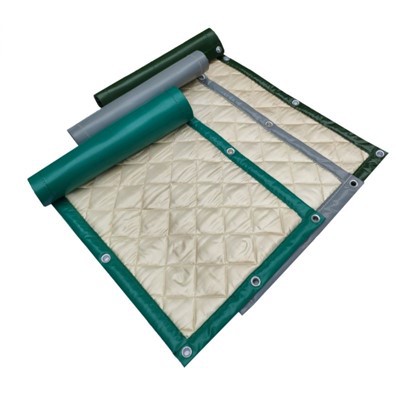
Our Fabric Covered Sound Absorbing Panels are a great example. They're designed to have a high absorption coefficient across a wide range of frequencies. Whether it's the low - frequency rumbles of traffic or the high - pitched chatter in an office, these panels can do a fantastic job of absorbing the sound.
Lightweight and Easy to Install
No one wants to deal with heavy, cumbersome materials when it comes to soundproofing. Good sound - absorbing materials should be lightweight, making them easy to handle and install. This not only saves time but also reduces the cost of installation.
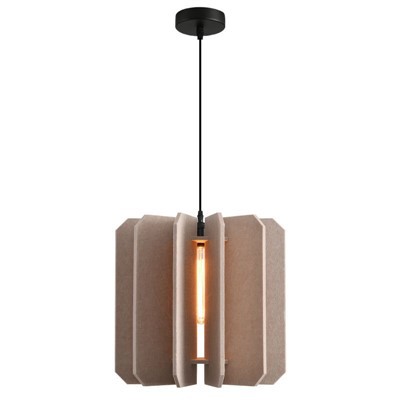
Take our Sound Absorbing Lighting for instance. These products are not only great at absorbing sound but are also lightweight. You can easily mount them on the ceiling or walls without the need for heavy - duty equipment. This makes them a popular choice for both residential and commercial spaces.
Durability
A good sound - absorbing material needs to be durable. It should be able to withstand wear and tear over time, especially in high - traffic areas. Materials that degrade quickly will lose their sound - absorbing properties, and you'll end up having to replace them frequently.
Our Fiberglass Suspended Acoustic Ceiling Clouds are built to last. They're made from high - quality fiberglass that can resist damage from moisture, heat, and physical impact. This means they'll keep performing well for years to come.
Aesthetic Appeal
Let's face it, no one wants their space to look like a sound - proofing laboratory. Good sound - absorbing materials should also have some aesthetic appeal. They should be able to blend in with the existing decor of a room or even enhance it.
Our fabric - covered panels come in a variety of colors and patterns. You can choose the one that best suits your space, whether it's a modern office or a cozy home. This way, you can have a quiet environment without sacrificing style.
Fire Resistance
Safety is always a top priority, especially in public and commercial spaces. Good sound - absorbing materials should be fire - resistant. This helps prevent the spread of fire in case of an emergency.
Many of our products are treated with fire - retardant chemicals. This ensures that they meet the necessary safety standards and give you peace of mind.
Environmental Friendliness
In today's world, environmental friendliness is a big deal. Good sound - absorbing materials should be made from sustainable and non - toxic materials. This not only helps protect the environment but also creates a healthier indoor environment.


We're committed to using eco - friendly materials in our products. For example, some of our panels are made from recycled materials, reducing waste and minimizing our carbon footprint.
Cost - Effectiveness
Last but not least, good sound - absorbing materials should be cost - effective. You don't want to break the bank to get a quiet space. We offer a range of products at different price points, so you can find something that fits your budget without compromising on quality.
If you're interested in any of our sound - absorbing materials, or if you have any questions about which product is right for your space, don't hesitate to reach out. We're here to help you create the perfect acoustic environment. Whether it's for a small home studio or a large commercial building, we've got the solutions you need.
References
- Beranek, Leo L. "Acoustics." American Institute of Physics, 1954.
- Cox, Trevor J., and Peter D'Antonio. "Acoustic Absorbers and Diffusers: Theory, Design and Application." Taylor & Francis, 2004.