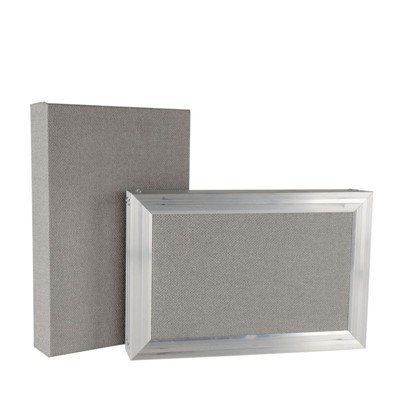


Wood wool panels, a popular choice in the construction and interior design industries, are known for their numerous benefits, including sound absorption, insulation, and aesthetic appeal. As a supplier of wood wool panels, I often get asked whether these panels need to be replaced frequently. In this blog post, I'll delve into the factors that influence the lifespan of wood wool panels and provide insights to help you make an informed decision.
Understanding Wood Wool Panels
Wood wool panels are made from long, thin strands of wood that are bonded together with a cementitious or resinous binder. These panels are used in a variety of applications, such as acoustic treatment in theaters, classrooms, and offices, as well as insulation in walls and ceilings. They come in different types, including Groove Wood Wool Acoustic Panel, Painted Wood Wool Acoustic Panel, and wood wool acoustic wall panels.


Factors Affecting the Lifespan of Wood Wool Panels
1. Quality of the Panels
The quality of wood wool panels plays a significant role in determining their lifespan. High-quality panels are made from durable wood strands and a strong binder, which can withstand wear and tear over time. Cheaper panels may use lower-grade materials, which can lead to premature deterioration. When choosing wood wool panels, it's important to select a reputable supplier that offers panels with a high-quality construction.
2. Installation
Proper installation is crucial for the longevity of wood wool panels. If the panels are not installed correctly, they may be more prone to damage. For example, if the panels are not properly secured to the wall or ceiling, they may become loose or fall off. Additionally, if the panels are installed in an area with high humidity or moisture, they may be at risk of mold and mildew growth, which can reduce their lifespan. It's recommended to hire a professional installer who has experience working with wood wool panels to ensure a proper installation.
3. Environmental Conditions
The environment in which the wood wool panels are installed can have a significant impact on their lifespan. Panels installed in areas with high levels of humidity, moisture, or extreme temperature fluctuations may deteriorate more quickly. For instance, in a bathroom or a basement, where moisture levels are high, the panels may be more likely to absorb water, which can cause swelling, warping, and mold growth. On the other hand, panels installed in a dry and stable environment are likely to last longer.
4. Usage and Maintenance
The way the wood wool panels are used and maintained also affects their lifespan. If the panels are in a high-traffic area or are subject to frequent impacts, they may be more likely to get damaged. Regular cleaning and maintenance can help extend the lifespan of the panels. For example, dusting the panels regularly can prevent the accumulation of dirt and debris, which can affect their appearance and performance.
Typical Lifespan of Wood Wool Panels
Under normal conditions, wood wool panels can last anywhere from 10 to 20 years. However, this can vary depending on the factors mentioned above. If the panels are installed in a favorable environment and are well-maintained, they can last even longer. In some cases, wood wool panels have been known to last for over 20 years without significant deterioration.
Signs That Wood Wool Panels Need to be Replaced
1. Physical Damage
If the panels have visible signs of damage, such as cracks, chips, or holes, it may be time to replace them. Physical damage can not only affect the appearance of the panels but also their performance. For example, a crack in a sound-absorbing panel may reduce its ability to absorb sound.
2. Mold and Mildew Growth
Mold and mildew growth on the panels is a serious issue that requires immediate attention. Not only can mold and mildew affect the health of the occupants, but they can also weaken the structure of the panels. If the panels are severely affected by mold and mildew, replacement may be necessary.
3. Reduced Performance
Over time, the performance of wood wool panels may decline. For example, if the panels were originally installed for sound absorption and you notice a decrease in their sound-absorbing capabilities, it may be a sign that they need to be replaced.
Extending the Lifespan of Wood Wool Panels
1. Choose High-Quality Panels
As mentioned earlier, the quality of the panels is crucial. Investing in high-quality wood wool panels from a reputable supplier can significantly extend their lifespan.
2. Proper Installation
Ensure that the panels are installed correctly by a professional. This includes using the appropriate fasteners and ensuring that the panels are properly sealed to prevent moisture ingress.
3. Regular Maintenance
Regularly clean and inspect the panels. Dust them regularly and check for any signs of damage or mold growth. If you notice any issues, address them promptly.
4. Control the Environment
If possible, control the environmental conditions in the area where the panels are installed. This may include using a dehumidifier in a humid area or ensuring proper ventilation to prevent moisture buildup.
Conclusion
In conclusion, wood wool panels do not necessarily need to be replaced frequently. With proper installation, maintenance, and environmental control, these panels can last for many years. However, it's important to monitor the panels for any signs of damage or reduced performance and replace them when necessary.
If you're considering using wood wool panels for your next project or need to replace existing panels, I'd be happy to help. As a leading supplier of wood wool panels, I offer a wide range of high-quality products to meet your needs. Whether you're looking for Groove Wood Wool Acoustic Panel, Painted Wood Wool Acoustic Panel, or wood wool acoustic wall panels, I can provide you with the right solution. Contact me to discuss your requirements and start a procurement conversation.
References
- Building Materials and Technology Handbook
- Acoustic Design and Engineering Manual