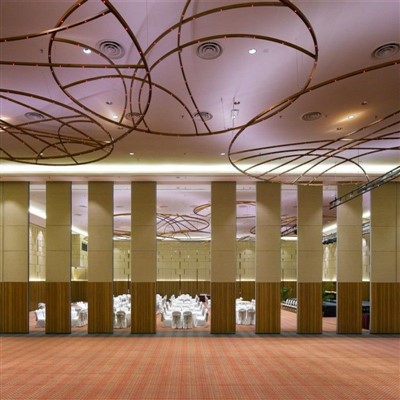


Can suspended ceiling baffles be used in classrooms?
As a supplier of suspended ceiling baffles, I've often been asked whether these products are suitable for classrooms. The answer is a resounding yes, and in this blog post, I'll delve into the reasons why suspended ceiling baffles can be a game - changer in educational settings.
The Problem of Noise in Classrooms
Classrooms are bustling environments filled with the sounds of students talking, teachers lecturing, chairs moving, and various other noises. Excessive noise can have a detrimental impact on the learning experience. Research has shown that high noise levels in classrooms can lead to decreased concentration, lower academic performance, and increased stress levels among students and teachers alike.
For instance, in a large classroom with hard, reflective surfaces such as bare walls and ceilings, sound waves bounce around, creating a reverberant environment. This means that the sound from a teacher's voice can linger in the room, making it difficult for students to distinguish individual words. As a result, students may miss important information, and their ability to focus on the lesson is compromised.
How Suspended Ceiling Baffles Work
Suspended ceiling baffles are designed to absorb sound waves, reducing reverberation and improving the overall acoustic quality of a space. They are typically made from sound - absorbing materials such as fiberglass or mineral wool, which have the ability to trap sound energy and convert it into heat.
When sound waves hit a suspended ceiling baffle, they enter the porous structure of the material. The fibers within the baffle cause the sound waves to scatter and lose energy as they move through the material. This process effectively reduces the amount of sound that is reflected back into the room, creating a quieter and more comfortable environment.
Benefits of Using Suspended Ceiling Baffles in Classrooms
1. Improved Speech Intelligibility
One of the primary benefits of using suspended ceiling baffles in classrooms is improved speech intelligibility. By reducing reverberation, the baffles ensure that the teacher's voice is clear and easy to understand. Students can better follow the lesson, ask questions, and engage in discussions without being distracted by excessive background noise.
For example, in a classroom with a reverberation time of over 2 seconds, it can be challenging for students to make out what the teacher is saying. However, by installing suspended ceiling baffles, the reverberation time can be reduced to less than 1 second, significantly improving speech intelligibility.

2. Enhanced Concentration
A quieter classroom environment promotes better concentration among students. When there is less noise interference, students can focus more effectively on their studies. They are less likely to be distracted by echoes or background noise, allowing them to absorb information more efficiently.
3. Reduced Stress
Excessive noise in classrooms can cause stress for both students and teachers. Teachers may have to raise their voices to be heard, which can lead to vocal strain. Students, on the other hand, may feel overwhelmed by the constant noise, making it difficult for them to relax and learn. Suspended ceiling baffles help to create a more peaceful and stress - free environment, benefiting everyone in the classroom.
4. Aesthetic Appeal
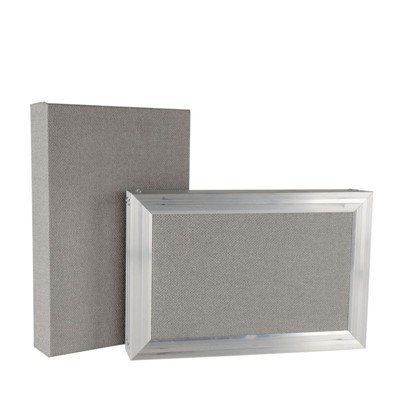
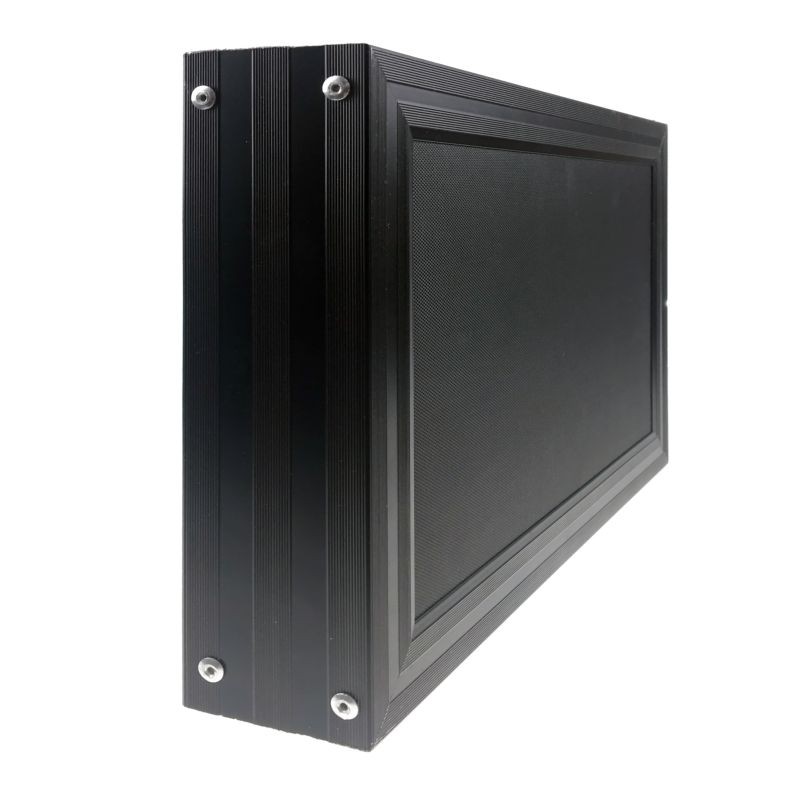
In addition to their acoustic benefits, suspended ceiling baffles can also enhance the aesthetic appeal of a classroom. They come in a variety of shapes, sizes, and colors, allowing for creative design options. For example, you can choose from Exposed Aluminum Frame Acoustic Baffle, which offers a modern and sleek look, or Hanging Ceiling Baffles that can add a unique and dynamic element to the classroom. Fiberglass Suspended Acoustic Ceiling Clouds are another option that can create an interesting visual effect while improving acoustics.
Considerations for Installing Suspended Ceiling Baffles in Classrooms
1. Space and Layout
Before installing suspended ceiling baffles, it's important to consider the space and layout of the classroom. The baffles need to be installed at the right height and spacing to ensure optimal acoustic performance. In some cases, the existing ceiling structure may need to be modified to accommodate the baffles.
2. Fire Safety
Since classrooms are public spaces, fire safety is a crucial consideration. The suspended ceiling baffles should be made from fire - resistant materials to meet safety standards. Most high - quality baffles are designed to be fire - rated, providing an added layer of protection.
3. Maintenance
Suspended ceiling baffles require minimal maintenance. However, they should be inspected regularly for any signs of damage or wear. If a baffle is damaged, it should be replaced promptly to maintain the acoustic performance of the system.
Case Studies
There have been numerous successful installations of suspended ceiling baffles in classrooms around the world. For example, a school in a large urban area installed Fiberglass Suspended Acoustic Ceiling Clouds in its classrooms. After the installation, teachers reported that students were more engaged in class, and the overall noise level had decreased significantly. Student test scores also showed an improvement, indicating that the better acoustic environment had a positive impact on learning.
Another school installed Exposed Aluminum Frame Acoustic Baffle in its auditorium - style classrooms. The baffles not only improved the sound quality during lectures and presentations but also added a modern and professional look to the space.
Conclusion
In conclusion, suspended ceiling baffles are an excellent solution for improving the acoustic quality of classrooms. They offer a range of benefits, including improved speech intelligibility, enhanced concentration, reduced stress, and aesthetic appeal. With proper installation and maintenance, they can transform a noisy and chaotic classroom into a quiet and productive learning environment.
If you're interested in exploring how suspended ceiling baffles can benefit your classrooms, we'd love to have a discussion with you. Contact us today to start a conversation about your specific needs and how our products can help create the ideal learning space.
References
- Alvarsson, J., Wiens, S., & Nilsson, M. E. (2010). Effects of indoor sound environment on health and well - being: A review of the evidence. Building and Environment, 45(11), 2611 - 2621.
- Bradley, R. H., & Corwyn, R. F. (2008). Socioeconomic status and child development. Annual Review of Psychology, 59, 411 - 439.
- Kang, J., & Zhang, Y. (2014). Acoustic design for schools: A review of current knowledge and future research needs. Building and Environment, 77, 173 - 186.