

Hey there! As a supplier of wooden acoustic panels, I often get asked about how these nifty panels actually work. So, let's dive right in and break it down.
The Basics of Sound and Acoustics
Before we get into the nitty - gritty of how wooden acoustic panels work, we need to understand a bit about sound. Sound is basically a wave that travels through the air. When sound waves hit a surface, three things can happen: they can be reflected, absorbed, or transmitted.


In a room, excessive sound reflection can lead to a lot of problems. You've probably been in a room where the sound just bounces around, making it hard to have a clear conversation or enjoy music. That's where wooden acoustic panels come in.
How Wooden Acoustic Panels Absorb Sound
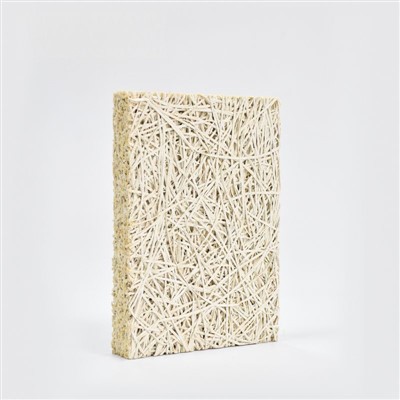
Wooden acoustic panels are designed to absorb sound waves. The key lies in their structure. Most wooden acoustic panels have a porous structure. When a sound wave hits the panel, it enters the pores. Inside these pores, the sound energy is converted into heat energy through a process called viscous dissipation.
Think of it like this: when a sound wave enters the tiny pores of the wooden panel, it has to push against the air molecules inside those pores. This movement of air molecules creates friction, and that friction turns the sound energy into heat. As a result, the sound wave loses its energy and doesn't bounce back into the room.
Different Types of Wooden Acoustic Panels and Their Working Mechanisms
Acoustic Perforated Wood Panels
Acoustic Perforated Wood Panels are a popular choice. These panels have small holes or perforations on their surface. The perforations allow the sound waves to enter the panel easily. Once inside, the sound waves interact with the air inside the panel and the wood fibers.
The size and spacing of the perforations are crucial. If the perforations are too big or too far apart, the sound waves might just pass through without being absorbed effectively. On the other hand, if they are too small or too close together, the panels might not let enough sound in. Manufacturers carefully design these panels to optimize the absorption of different frequencies of sound.
Acoustic Wood Slat Wall Panels
Acoustic Wood Slat Wall Panels work in a slightly different way. These panels consist of wooden slats with gaps between them. When sound waves hit the slats, some of the sound is reflected, but a significant portion enters the gaps.
Inside the gaps, the sound waves bounce around and interact with the wood. The irregular shape of the gaps and the wood surface helps to break up the sound waves and convert their energy into heat. These panels are great for controlling sound in large spaces, as they can cover a large area and provide good absorption across a wide range of frequencies.
Microporous Wooden Acoustic Panels
Microporous Wooden Acoustic Panels are another interesting option. These panels have extremely small pores, almost at the microscopic level. The micropores provide a large surface area for the sound waves to interact with.
When sound waves enter the micropores, they experience a high level of friction. This friction quickly dissipates the sound energy, making these panels very effective at absorbing sound, especially high - frequency sounds. They are often used in spaces where clear speech and high - quality audio are important, like recording studios and conference rooms.
Factors Affecting the Performance of Wooden Acoustic Panels
The performance of wooden acoustic panels depends on several factors. First, the type of wood used matters. Different woods have different densities and pore structures, which can affect how well they absorb sound. For example, softwoods like pine tend to have larger pores and can be more effective at absorbing low - frequency sounds, while hardwoods like oak may be better at absorbing high - frequency sounds.
The thickness of the panel also plays a role. Thicker panels generally absorb more sound, especially at lower frequencies. However, thicker panels can also be more expensive and may not be suitable for all applications.
The installation method is another important factor. If the panels are not installed correctly, there may be gaps between the panels or between the panel and the wall. These gaps can reduce the effectiveness of the panels by allowing sound to leak through.
Applications of Wooden Acoustic Panels
Wooden acoustic panels have a wide range of applications. In commercial spaces like offices, they can help reduce noise levels, making the work environment more comfortable and productive. In restaurants, they can improve the dining experience by reducing background noise and making conversations easier to hear.
In educational institutions, such as schools and universities, wooden acoustic panels can enhance the learning environment by improving speech intelligibility in classrooms. They are also commonly used in entertainment venues like theaters and concert halls to improve the acoustics and enhance the overall sound quality.
Why Choose Our Wooden Acoustic Panels
As a supplier of wooden acoustic panels, we take pride in offering high - quality products. Our panels are made from carefully selected woods, and we use advanced manufacturing techniques to ensure optimal sound absorption. We offer a variety of panel types, including Acoustic Perforated Wood Panels, Acoustic Wood Slat Wall Panels, and Microporous Wooden Acoustic Panels, to meet different customer needs.
If you're looking to improve the acoustics of your space, whether it's a small home studio or a large commercial building, we'd love to talk to you. Our team of experts can help you choose the right panels for your specific requirements and provide guidance on installation.
So, if you're interested in purchasing wooden acoustic panels, don't hesitate to reach out. We're here to help you create a more acoustically pleasing environment.
References
- Beranek, Leo L. "Acoustics." American Institute of Physics, 1986.
- Kuttruff, Heinrich. "Room Acoustics." Spon Press, 2009.