

As a supplier of acoustic noise barriers, I often encounter inquiries from clients about the fire - resistant properties of these barriers. In this blog, I will delve into the topic of whether there are acoustic noise barriers that are fire - resistant, exploring the materials, technologies, and applications related to this aspect.
The Need for Fire - Resistant Acoustic Noise Barriers
Acoustic noise barriers are widely used in various settings, such as along motorways, around industrial areas, and in residential neighborhoods. In some cases, there is a significant risk of fire. For example, in industrial areas, there may be flammable substances or high - temperature processes. Along motorways, vehicle fires can also pose a threat. Therefore, having fire - resistant acoustic noise barriers is crucial for ensuring safety.
Materials for Fire - Resistant Acoustic Noise Barriers
Mineral Wool
Mineral wool is a popular material for fire - resistant acoustic noise barriers. It is made from natural minerals such as basalt or slag. Mineral wool has excellent fire - resistant properties, as it can withstand high temperatures without catching fire or releasing toxic fumes. It also provides good acoustic insulation, absorbing sound waves and reducing noise levels. The fibers in mineral wool create a porous structure that traps sound energy, making it an effective sound - absorbing material.
Fiberglass
Fiberglass is another material that can be used to make fire - resistant acoustic noise barriers. It is composed of fine glass fibers that are woven or matted together. Fiberglass has a high melting point and is non - combustible. It can resist fire for a certain period, protecting the surrounding area from the spread of flames. Similar to mineral wool, fiberglass also has good acoustic performance, as the fibers can disrupt sound waves and reduce noise.
Fire - Retardant Plastics
Some plastics can be treated with fire - retardant additives to make them suitable for use in acoustic noise barriers. These fire - retardant plastics can provide both acoustic insulation and fire resistance. They are often lightweight and easy to install, making them a convenient option for some applications. However, it is important to ensure that the fire - retardant additives used are safe and do not release harmful substances when exposed to fire.


Technologies for Fire - Resistant Acoustic Noise Barriers
Coating Technologies
One way to enhance the fire - resistant properties of acoustic noise barriers is through coating technologies. Special fire - resistant coatings can be applied to the surface of the barriers. These coatings can form a protective layer that slows down the spread of fire and reduces the release of heat and smoke. Some coatings are also designed to improve the acoustic performance of the barriers by reducing sound reflection.
Composite Structures
Composite structures can be used to combine different materials to achieve both fire resistance and acoustic insulation. For example, a barrier can be made with a core of fire - resistant material such as mineral wool, surrounded by a layer of fire - retardant plastic or fiberglass. This composite structure can provide better overall performance than using a single material alone.
Applications of Fire - Resistant Acoustic Noise Barriers
Motorway Acoustic Fencing
Motorway Acoustic Fencing is an important application where fire - resistant acoustic noise barriers are needed. Motorways are prone to vehicle fires, and having fire - resistant barriers can prevent the spread of fire to nearby areas. These barriers can also reduce the noise generated by traffic, improving the living environment for people living along the motorway.
Industrial Noise Barrier
In industrial areas, Industrial Noise Barrier are used to reduce the noise generated by machinery and industrial processes. At the same time, fire - resistant barriers are essential to protect the industrial facilities from fire hazards. These barriers can be made of fire - resistant materials such as mineral wool or fiberglass, and they can be designed to meet the specific requirements of different industrial environments.
Vinyl Sound Barrier
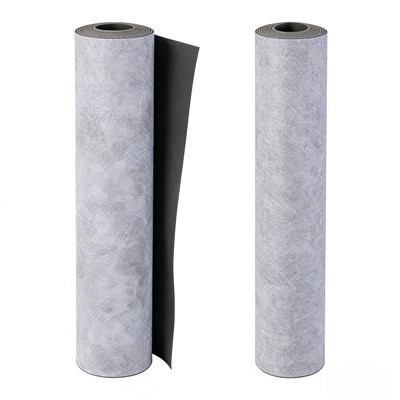
Vinyl Sound Barrier is another type of acoustic noise barrier. Some vinyl sound barriers can be made fire - resistant by adding fire - retardant additives. These barriers are often used in residential areas or commercial buildings to reduce noise. The fire - resistant property ensures the safety of the building and its occupants in case of a fire.
Advantages of Fire - Resistant Acoustic Noise Barriers
Safety
The most obvious advantage of fire - resistant acoustic noise barriers is safety. They can prevent the spread of fire, protecting people and property from the devastating effects of fire. In addition, they can reduce the release of toxic fumes, which is crucial for the health of people in the vicinity.
Long - Term Cost Savings
Although fire - resistant acoustic noise barriers may have a higher initial cost, they can provide long - term cost savings. They are more durable and require less maintenance compared to non - fire - resistant barriers. In case of a fire, the damage to the barriers and the surrounding area can be minimized, reducing the cost of repair and replacement.
Environmental Friendliness
Many fire - resistant materials used in acoustic noise barriers, such as mineral wool and fiberglass, are environmentally friendly. They are made from natural or recycled materials and can be recycled at the end of their life cycle. This reduces the environmental impact of the barriers.
Conclusion
In conclusion, there are indeed acoustic noise barriers that are fire - resistant. Through the use of appropriate materials such as mineral wool, fiberglass, and fire - retardant plastics, and the application of advanced technologies such as coating and composite structures, we can create fire - resistant acoustic noise barriers that meet the needs of different applications. Whether it is for motorways, industrial areas, or residential buildings, these barriers can provide both acoustic insulation and fire protection.
If you are interested in purchasing fire - resistant acoustic noise barriers for your project, please feel free to contact us. We have a wide range of products to meet your specific requirements, and our professional team can provide you with detailed information and technical support.
References
- "Fire - Resistant Building Materials Handbook"
- "Acoustic Engineering Principles and Applications"
- Industry reports on acoustic noise barriers and fire safety.