

What is the weight of an acoustic noise barrier?
Acoustic noise barriers play a crucial role in reducing noise pollution in various environments, from busy motorways to industrial sites. One significant aspect that often comes into consideration when dealing with these barriers is their weight. The weight of an acoustic noise barrier is not just a random number; it has far - reaching implications for installation, transportation, and overall performance.
First and foremost, understanding the weight of an acoustic noise barrier is essential for installation purposes. A heavier barrier may require more robust support structures. For example, in the case of Motorway Acoustic Fencing, which is typically installed along highways to reduce traffic noise, the weight of the barrier will determine the type of foundation needed. If the barrier is too heavy for a particular foundation, it can lead to instability, which in turn may cause the barrier to collapse over time. On the other hand, a lighter barrier might be easier to install but could be less effective in terms of noise reduction.
The weight also affects transportation. Heavier barriers require more powerful vehicles for transportation, and the cost of transporting them is generally higher. This is because more fuel is consumed, and the vehicle's capacity needs to be sufficient to carry the weight. For instance, when transporting Industrial Noise Barrier to a large industrial site, the logistics of moving these heavy barriers need to be carefully planned. If the weight is not properly accounted for, it can lead to delays in the project and increased costs.
Now, let's look at the factors that influence the weight of an acoustic noise barrier. The material used is one of the most significant factors. Different materials have different densities, which directly affect the weight. For example, concrete barriers are generally heavier than vinyl barriers. Concrete has a high density, which makes it a popular choice for barriers that need to be very robust and provide high - level noise reduction. However, this also means that they are more difficult to handle and transport.
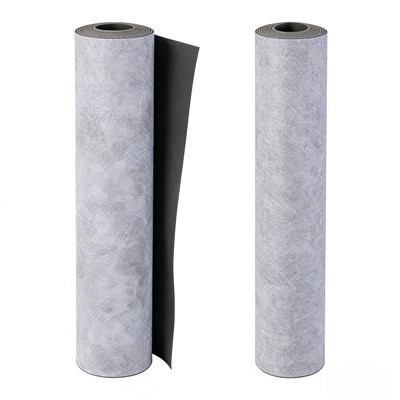
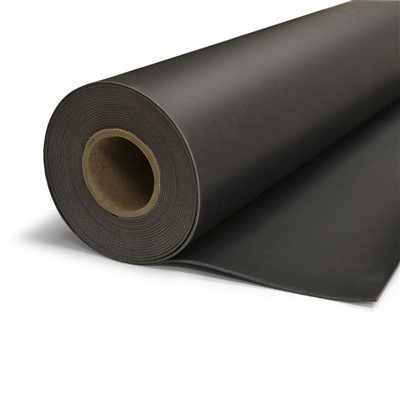
Vinyl barriers, on the other hand, are relatively lightweight. Vinyl Sound Barrier is often used in situations where ease of installation and flexibility are important. Vinyl is a synthetic material that can be molded into various shapes and sizes, and its lower weight makes it a cost - effective option for many applications.
The design of the acoustic noise barrier also plays a role in its weight. A barrier with a more complex design, such as one with multiple layers or intricate shapes, may be heavier than a simple, single - layer design. This is because additional materials and components are used in the construction of the more complex barrier.
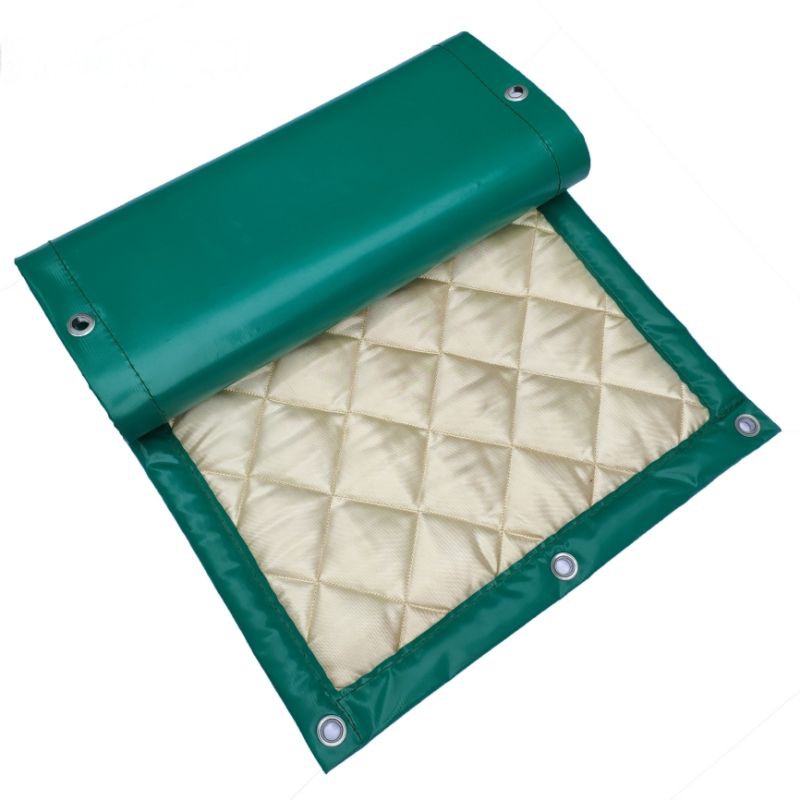

Another factor is the size of the barrier. Larger barriers naturally weigh more than smaller ones. When designing a noise - reduction solution, the size of the area to be covered needs to be carefully considered. If a large area needs to be protected from noise, multiple smaller barriers may be a better option than one large, heavy barrier. This is because smaller barriers are easier to handle and install, and they can be arranged in a way that provides effective noise reduction.
In terms of performance, the weight of an acoustic noise barrier can have a direct impact on its ability to reduce noise. Heavier barriers generally provide better noise reduction because they are more difficult to vibrate. When sound waves hit a barrier, a lighter barrier may vibrate more easily, which can allow some of the sound to pass through. A heavier barrier, on the other hand, is more stable and can absorb and reflect more sound.
However, it's important to note that weight is not the only factor that determines the effectiveness of a noise barrier. The material's acoustic properties, such as its sound absorption coefficient, also play a crucial role. A lightweight barrier made of a highly sound - absorbing material can sometimes be just as effective as a heavier barrier.
When it comes to choosing the right acoustic noise barrier, it's essential to balance the weight with other factors. For example, if the installation site has limited space or a weak foundation, a lighter barrier may be the better choice. On the other hand, if high - level noise reduction is required, a heavier barrier made of a dense material may be necessary.
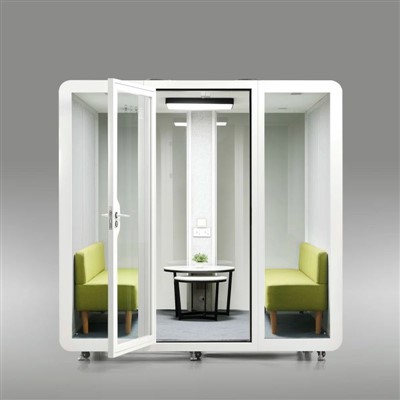
As an acoustic noise barrier supplier, we understand the importance of providing our customers with the right information about the weight and other properties of our products. We offer a wide range of acoustic noise barriers, including Motorway Acoustic Fencing, Industrial Noise Barrier, and Vinyl Sound Barrier. Our team of experts can help you choose the most suitable barrier for your specific needs, taking into account factors such as weight, noise reduction requirements, and installation conditions.
If you are in need of an acoustic noise barrier for your project, we encourage you to contact us for a detailed discussion. We can provide you with more information about our products, including their weight, performance, and cost. Our goal is to help you find the best solution to reduce noise pollution and create a more comfortable environment.
References
- "Acoustics: An Introduction to Its Physical Principles and Applications" by Allan D. Pierce
- "Noise Control Engineering: Principles and Practice" by Cyril M. Harris