

Hey there, fellow audio enthusiasts! As a supplier of sound-absorbing materials, I've seen firsthand the crucial role these materials play in creating the perfect recording environment. In this blog, I'm gonna walk you through the different types of sound-absorbing materials commonly used in recording studios.
Why Sound - Absorbing Materials Matter in Recording Studios
Before we dive into the materials, let's quickly talk about why they're so important. In a recording studio, you need to have a controlled acoustic environment. Unwanted echoes, reverberations, and background noise can mess up the quality of your recordings. Sound - absorbing materials help to reduce these issues by converting sound energy into heat energy. This way, you get cleaner, more professional - sounding recordings.
Types of Sound - Absorbing Materials
Fiberglass
Fiberglass is one of the most popular sound - absorbing materials out there. It's made up of tiny glass fibers that trap sound waves. When sound hits the fiberglass, it gets bounced around between the fibers, losing energy in the process.
One great example is the Stepped Fiberglass Ceiling Panel. The stepped design increases the surface area, allowing more sound to be absorbed. Fiberglass is also relatively affordable, which makes it a great option for studios on a budget. However, it can be a bit of a hassle to handle because the fibers can be irritating to the skin and lungs. So, you need to wear proper protective gear when installing it.


Mineral Wool
Mineral wool is another common choice. It's made from molten rock or slag that's spun into fibers. Just like fiberglass, it traps sound waves and converts them into heat. Mineral wool has excellent fire - resistant properties, which is a huge plus in a recording studio. You don't have to worry too much about your equipment and studio space in case of a fire.
It's also pretty good at isolating sound from the outside. So, if you're in a busy area, mineral wool can help keep the street noise out. The only downside is that it can also be a bit itchy to work with, so make sure you take the necessary precautions.
Fabric - Covered Sound Absorbing Panels
These are super popular because they're not only functional but also look great. The Fabric Covered Sound Absorbing Panels usually have a core of fiberglass or mineral wool, covered with a nice - looking fabric. The fabric not only gives the panels a more aesthetically pleasing look but also helps to protect the core material.
You can choose from a variety of fabrics and colors to match the decor of your recording studio. They're also relatively easy to install on walls and ceilings. These panels are great for creating a warm and inviting atmosphere in your studio while still effectively absorbing sound.
Wooden Acoustic Panels
Wooden acoustic panels are a great option for those who want a more natural look in their recording studio. There are different types of wooden acoustic panels available. The Perforated Plywood Acoustic Panels have small holes drilled into them, which helps to trap sound waves. The wood itself also has some natural sound - absorbing properties.
Another type is the Wood Wall Sound Diffuser. Diffusers scatter sound waves rather than just absorbing them. This can help to create a more even sound distribution in the studio. Wood has a warm and rich sound that can add a unique character to your recordings.
Sound - Absorbing Lighting
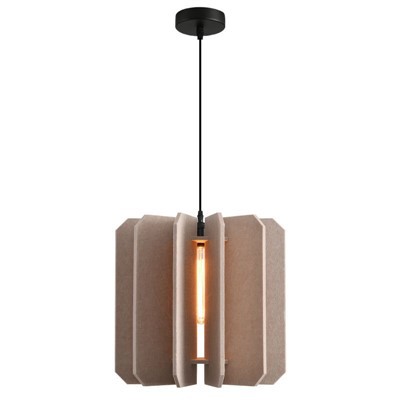
This is a cool and innovative option. Sound Absorbing Lighting combines the functionality of lighting with sound absorption. These fixtures are designed to not only illuminate your studio but also absorb sound waves. They can be a great space - saving solution, especially in smaller recording studios. You get two benefits in one product, which is always a plus.
Choosing the Right Sound - Absorbing Materials for Your Studio
When it comes to choosing the right materials for your recording studio, there are a few things to consider. First of all, think about the size and shape of your studio. A small studio might need different materials than a large one. You also need to consider your budget. Some materials are more expensive than others, so you need to find a balance between cost and performance.
The type of music you record can also play a role. For example, if you record a lot of acoustic music, you might want to focus more on materials that create a warm and natural sound. If you're into electronic music, you might need materials that can handle low - frequency sounds well.
Maintenance and Care of Sound - Absorbing Materials
Once you've installed your sound - absorbing materials, it's important to take good care of them. For fabric - covered panels, you can vacuum them regularly to keep them clean. Avoid getting them wet, as this can damage the core material.
Fiberglass and mineral wool should be inspected periodically for any signs of damage. If you notice any fibers coming out, it's best to replace the panel to ensure continued effective sound absorption. Wooden panels can be wiped down with a damp cloth to keep them looking nice.
Conclusion
In conclusion, choosing the right sound - absorbing materials is essential for creating a high - quality recording environment. Whether you go for fiberglass, mineral wool, fabric - covered panels, wooden acoustic panels, or sound - absorbing lighting, each material has its own unique benefits.
If you're in the market for sound - absorbing materials for your recording studio, I'd love to help you out. We've got a wide range of products to suit different needs and budgets. Just reach out to us, and we can have a chat about your specific requirements. Let's work together to make your recording studio sound its best!
References
- Acoustical Society of America. Recommended Practices for Acoustical Design of Recording Studios.
- Textbooks on architectural acoustics for general information on sound absorption principles.