

Yo, if you're on the hunt for ways to soundproof your space, you've probably come across two popular options: mass loaded vinyl (MLV) and acoustic panels. I'm a supplier of mass loaded vinyl, so I'm super familiar with this topic. Let's dive into how these two stack up against each other.
What are Mass Loaded Vinyl and Acoustic Panels?
First things first, let's get a clear idea of what we're talking about. Mass loaded vinyl is a dense, flexible material that's mainly used to block sound. It's made by adding heavy materials like barium sulfate to vinyl, which gives it a high mass. This high mass is crucial because in the world of soundproofing, the heavier the material, the better it can stop sound waves from passing through. You can install MLV pretty much anywhere - on walls, ceilings, floors. There are different types of MLV available, like Soundproofing Vinyl For Walls, High Density MLV Noise Barrier, Soundsulate Mass Loaded Vinyl, Loaded Vinyl Soundproofing, and White Mass Loaded Vinyl Soundproofing.
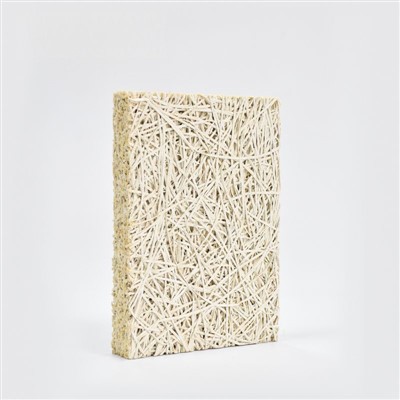
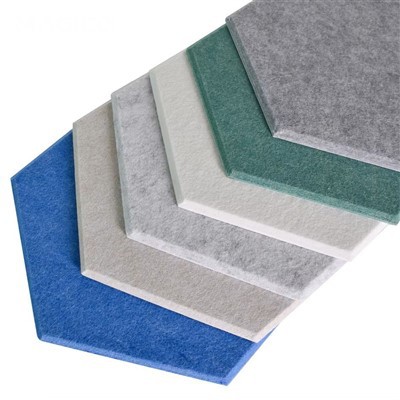
On the other hand, acoustic panels are usually made of fibrous materials like fiberglass or foam. Their main job is to absorb sound, not block it. They're great at reducing echo and reverberation in a room. You'll often see them in recording studios, home theaters, and concert halls.
Sound Blocking vs Sound Absorption
The biggest difference between MLV and acoustic panels lies in their functions. MLV is all about blocking sound. When sound waves hit MLV, the high mass of the material makes it difficult for the waves to pass through. It's like a big, heavy wall for sound. For example, if you have a noisy neighbor's party going on next door, installing MLV on the shared wall can significantly reduce the amount of noise that comes into your place.
Acoustic panels, however, are focused on absorption. When sound waves hit an acoustic panel, the fibrous or porous structure of the panel causes the sound waves to bounce around inside the panel. This process turns the sound energy into heat energy, which reduces the overall sound level in the room. So, if you're in a room with hard, reflective surfaces like a bare concrete basement, acoustic panels can make the space sound less echoey and more comfortable.
Installation
Installing MLV is relatively straightforward. You can use adhesives, nails, or staples to attach it to walls, ceilings, or floors. It's a flexible material, so it can conform to different shapes and surfaces. You just need to make sure to seal the edges properly to prevent any sound leaks. For example, if you're using it on a wall, you might want to overlap the seams and use acoustic caulk to seal them.
Acoustic panels, depending on their type, can be a bit more finicky to install. Some panels come with adhesive backing, but for larger or heavier panels, you might need to use brackets or mounting hardware. And you need to place them strategically to get the best sound absorption. You can't just slap them up anywhere and expect great results.
Aesthetics
Let's talk about how these two options look in a room. MLV is not the most attractive material on its own. It's usually a dark, heavy sheet that doesn't really blend in with the decor. But the good news is, you can cover it up. You can install drywall, wood paneling, or fabric over it to make it look more presentable. So, while it might not be pretty at first glance, it can be hidden away.
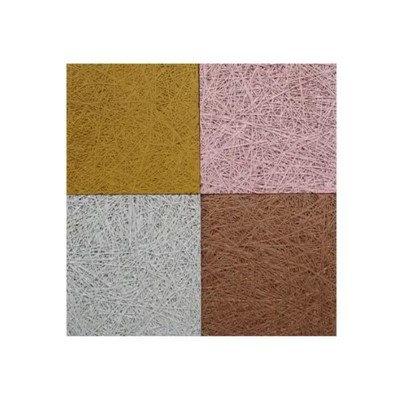
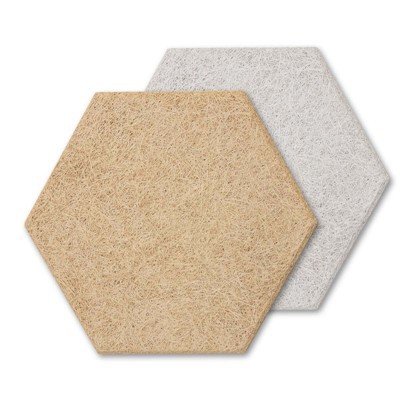
Acoustic panels, on the other hand, can actually enhance the look of a room. They come in a variety of colors, shapes, and patterns. Some are even designed to look like works of art. You can choose panels that match your decor or make a statement in the room. So, if aesthetics are important to you, acoustic panels have the upper hand here.
Cost
Cost is always a factor when you're making a decision. MLV is generally more cost-effective, especially for larger areas. The price of MLV depends on its thickness and density, but in general, it's a budget-friendly option for soundproofing. Since it's a simple material and doesn't require a lot of specialized installation, you can save money on both the product and the labor.
Acoustic panels can be more expensive, especially if you're looking for high-quality, designer panels. The cost also goes up if you need a large number of panels to cover a big area. And don't forget about the installation cost, which can add up if you're hiring a professional.
Durability
MLV is a very durable material. It's resistant to moisture, mold, and mildew, which makes it a great choice for areas like basements or bathrooms. It can also withstand a fair amount of wear and tear. As long as it's installed correctly, it can last for many years without losing its soundproofing properties.
Acoustic panels, on the other hand, can be more delicate. Fiberglass panels can break or become damaged if they're not handled carefully. Foam panels can also wear out over time, especially if they're exposed to sunlight or moisture. So, in terms of durability, MLV has an edge.
When to Choose MLV and When to Choose Acoustic Panels
If your main goal is to block outside noise, like traffic noise, neighbor noise, or noise from a busy street, then MLV is the way to go. It's also a great choice if you're soundproofing a room for privacy, like a home office or a recording studio. You can use Soundproofing Vinyl For Walls to create a quiet space.


If you're more concerned about reducing echo and reverberation in a room, then acoustic panels are the better option. They're perfect for home theaters, music rooms, and conference rooms. You can use them to create a more comfortable and acoustically balanced environment.
Conclusion
So, there you have it - a breakdown of how mass loaded vinyl compares to acoustic panels. Both have their pros and cons, and the right choice depends on your specific needs and budget. If you're still not sure which option is best for you, feel free to reach out. As a mass loaded vinyl supplier, I've got a lot of experience in this field and can help you make an informed decision. Whether you're looking for High Density MLV Noise Barrier or Soundsulate Mass Loaded Vinyl, I can provide you with the best products and advice. Let's start a conversation and find the perfect soundproofing solution for your space.
References
- "Soundproofing Manual: A Guide to Noise Reduction." Author Unknown.
- "Acoustics for Architects and Engineers." By John Smith.

one-stop acoustic solution service Factory in China
We offer OEM and ODM product customization services, providing a one-stop acoustic solution. If you have any acoustic requirements, please contact us for technical support, product catalog, detailed product quotations, and free sample provision.
whatsapp/Phone:18022418653
E-mail:sales002@mq-acoustics.com