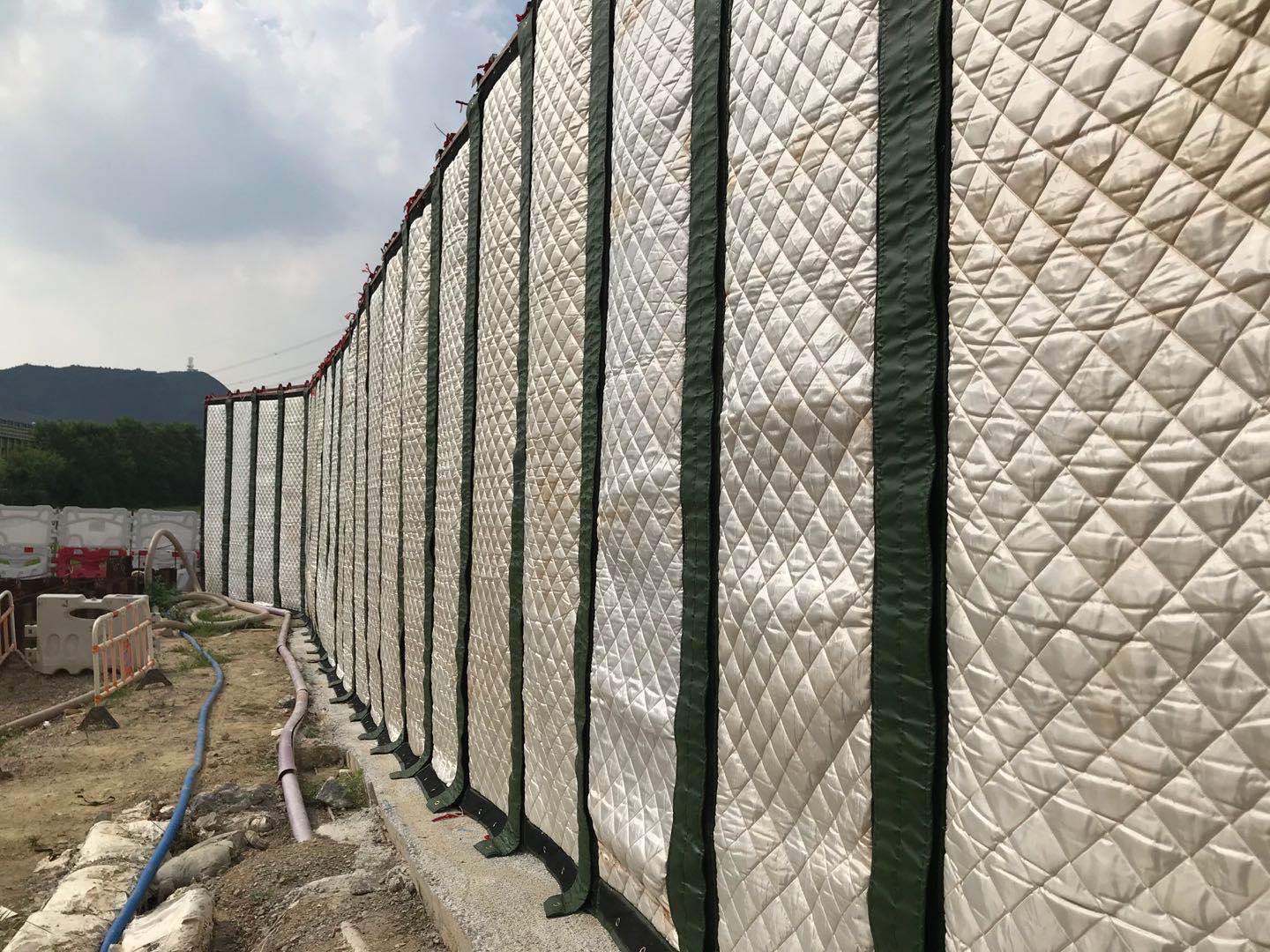


Sound barriers, as facilities specifically designed to reduce noise propagation, play an indispensable role in multiple fields. Their core function lies in effectively blocking the path of sound transmission, thereby reducing the impact of noise on the surrounding environment and people.
In the field of transportation, the application of sound barriers is particularly widespread. For example, installing sound barriers on both sides of highways and railways can significantly reduce the disturbance caused by vehicle noise to nearby residential areas, providing residents with a quieter living environment. At the same time, around airports, sound barriers can also effectively reduce the immense roar generated by aircraft during takeoff and landing, protecting surrounding areas from noise pollution.
In the industrial field, sound barriers also play an important role. Production equipment in factories often generates a large amount of noise during operation, which can not only damage workers' hearing but also adversely affect nearby residential areas, schools, and other sensitive regions. By installing sound barriers, the propagation of these noises can be effectively reduced, ensuring normal living, studying, and working conditions for people.
In addition to transportation and industry, sound barriers are also applied in some public places such as stadiums and concert halls. These venues often require a specific acoustic environment, and sound barriers can help adjust the direction and intensity of sound propagation, allowing sound to be more evenly distributed throughout the space, thereby enhancing the auditory experience of the audience.
Moreover, the design of sound barriers has become increasingly diversified, focusing not only on functionality but also on aesthetics. Modern sound barriers often combine sound-absorbing materials with sound-insulating structures, ensuring noise reduction effects while enhancing overall visual appeal. At the same time, the installation of sound barriers has become more flexible and convenient, allowing for customization and adjustment according to actual needs.