

May 10, 2026

Wooden sound-absorbing panels are no longer merely soundproofing materials; they have become a crucial element in modern commercial interior design. From offices and conference rooms to auditoriums, hotels, schools, and luxury homes, architects and designers now demand both superior acoustic performance and exceptional aesthetics from sound-absorbing materials.
However, many projects face a common challenge: how to integrate wooden sound-absorbing panels into interior design concepts without compromising sound absorption efficiency.
This article will explain how to balance aesthetics and acoustic function in the selection and design of wooden sound-absorbing panels in modern interior design.

Start with Acoustic Requirements First
Before focusing on color and finish, it's crucial to clearly define the acoustic goals for the space.
The required level of acoustic performance varies depending on the environment.
Main Acoustic Goals for a Space:Conference Room: Improved Speech Intelligibility,Auditorium: Control of Reverberation,Concert Hall: Balance of Absorption and Diffusion,Restaurant: Reduction of Reflections and Improvement of Comfort
The panel structure, perforation rate, backing material, and installation method directly affect the acoustic effect.
For example:
Perforated panels offer a clean appearance and allow for adjustment of sound absorption performance.
Grooved panels enhance sound absorption in the mid-to-low frequency range.
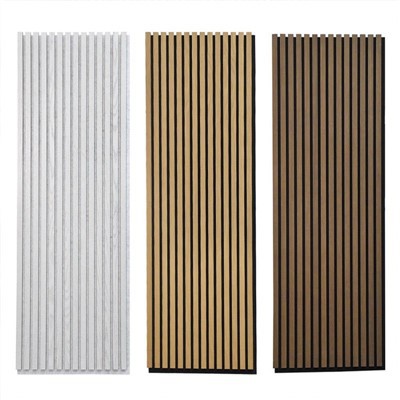
Striped wooden panels combine decorative rhythm with sound-absorbing properties.
Fabric or fiberglass backings can improve the noise reduction coefficient (NRC).
Even aesthetically pleasing panels may fail to meet project requirements if they are not properly acoustically designed.
Match Panel Style with Interior Design Themes
1. Modern Minimalist Interiors
Minimalist spaces generally possess the following characteristics:Simple lines,Neutral color tones,Discreet sound absorption
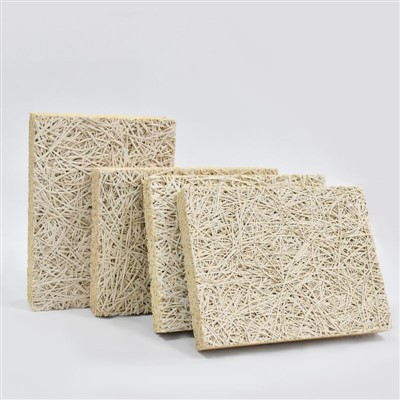
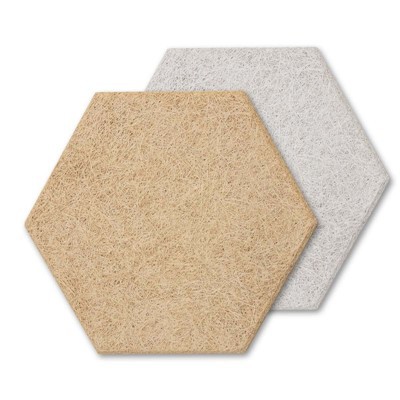
Recommended solutions:Microporous wooden panels,Woodden Slat acoustic panels,Available in shades such as light oak, ash, and walnut
These solutions effectively absorb sound while maintaining a clean and uncluttered appearance.
2. Luxury Commercial Spaces
Hotels, executive offices, and luxury lounges typically require the following:High-quality finishes,Rich textures,Refined details
Recommended options:,Wood-grooved sound-absorbing panels,Wood veneer finishes,Large panels,Natural wood veneer creates a warm visual effect and a sense of depth, improving acoustic comfort.
3.the finish should not block perforations or acoustic openings, otherwise sound absorption performance may decrease.
Balancing Perforated Design and Visual Appeal.Designers are generally concerned that visible perforations can negatively impact aesthetics.
Modern manufacturing techniques enable:Microperforations that are virtually invisible from a distance
Seamless panel layout.This allows for maintaining an elegant architectural appearance while ensuring excellent acoustic performance.The key lies in balancing:Aperture ratio,Panel thickness,Backing material,Visual consistency

our casey

Consider Ceiling and Wall Integration Together
In large-scale commercial building projects, combining sound-absorbing materials in both ceilings and walls generally results in superior acoustic balance.
For example:
A combination of wooden slat ceilings and matching wall panels
A combination of suspended sound-absorbing panels and wooden wall systems
A cohesive design and harmonious system enhance visual unity while also improving overall acoustic control.
Customization Is Key for Modern Projects
No two interior spaces are exactly alike. Customization allows designers to harmonize sound-absorbing panels with the architectural style of the project.
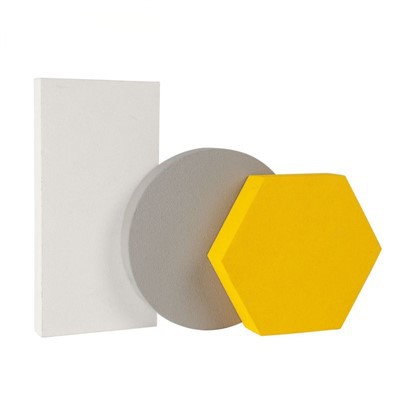
Common customization options include:Custom finish color,Panel size,Grooved or perforated pattern,Various sound-absorbing materials
The optimal acoustic solution is usually developed through collaboration between the architect, interior designer, and sound-absorbing material manufacturer in the early stages of the design process.

Conclusion
Wood-based sound-absorbing panels are no longer merely technical products for acoustic control; they have become an indispensable element in modern interior architecture.
The most successful projects often achieve a balance between the following two elements:Superior acoustic performance,Exceptional visual harmony
By carefully selecting the panel structure, finish, perforation design, and installation method, designers can create spaces that maintain sophisticated architectural beauty while providing a comfortable auditory experience.
By incorporating aesthetics and acoustic performance from the planning stage, wood-based sound-absorbing panels become a powerful tool for creating interior spaces that combine functionality and visual beauty.